Br. Taucen visits the Province of Our Lady Queen of Peace in South Africa
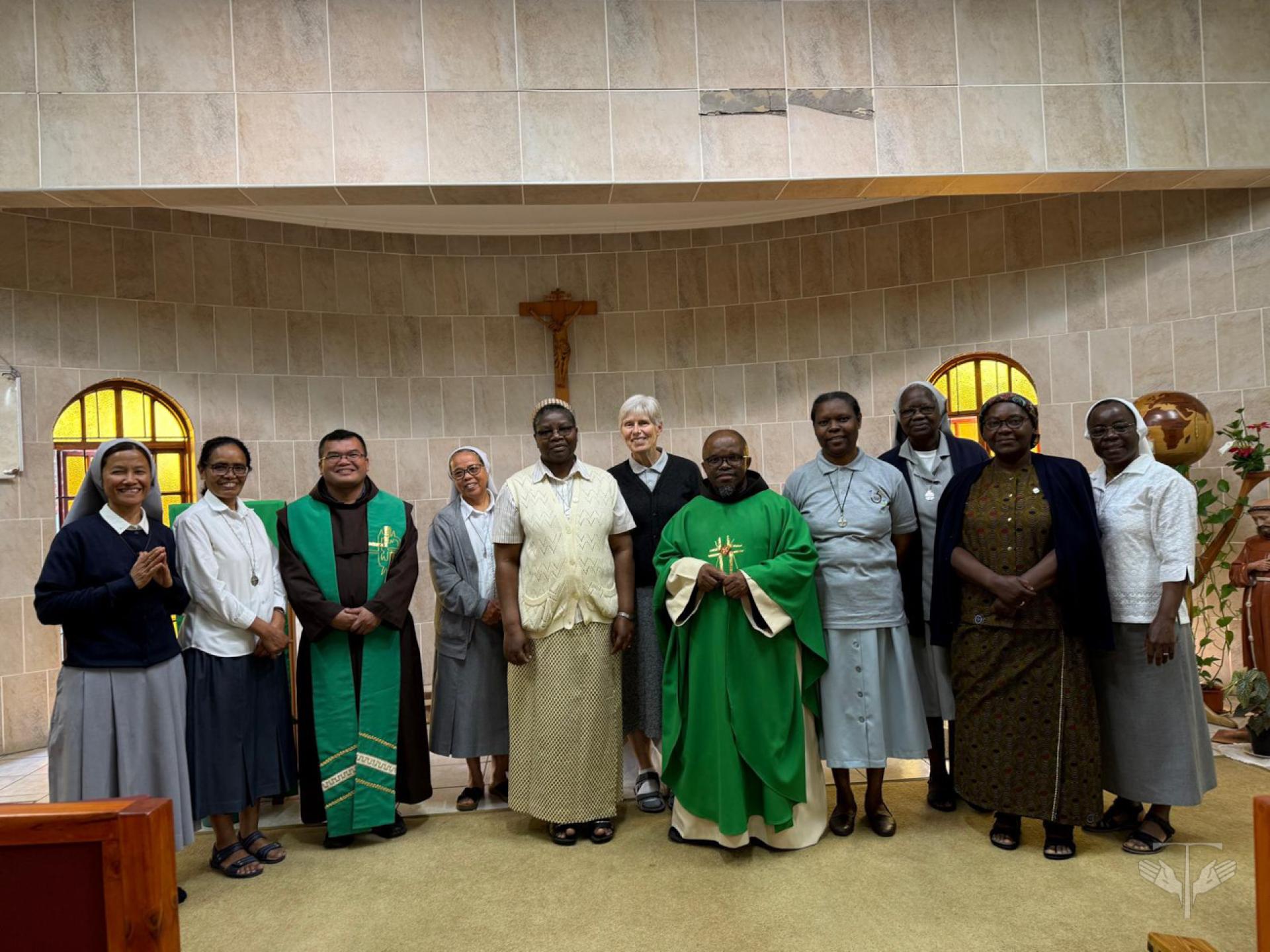
31 August 2026From 23 to 28 August 2026, Br. Taucen Hotlan Girsang, OFM, from the Office for Justice, Peace and the Integrity of Creation (JPIC) in Rome visited several Franciscan fraternities around Johannesburg, South Africa, including those in Vanderbijlpark, Boksburg, and Pretoria. He also visited Eldorado Park, where the Franciscan Missionaries of Mary (FMM) Sisters are present. The purpose of the visit was to meet with and listen to the friars and the FMM Sisters, to understand the social realities in which they carry out their Franciscan mission and evangelisation, and to learn more about the Franciscan presence and pastoral activities related to Justice, Peace and the Integrity of Creation.
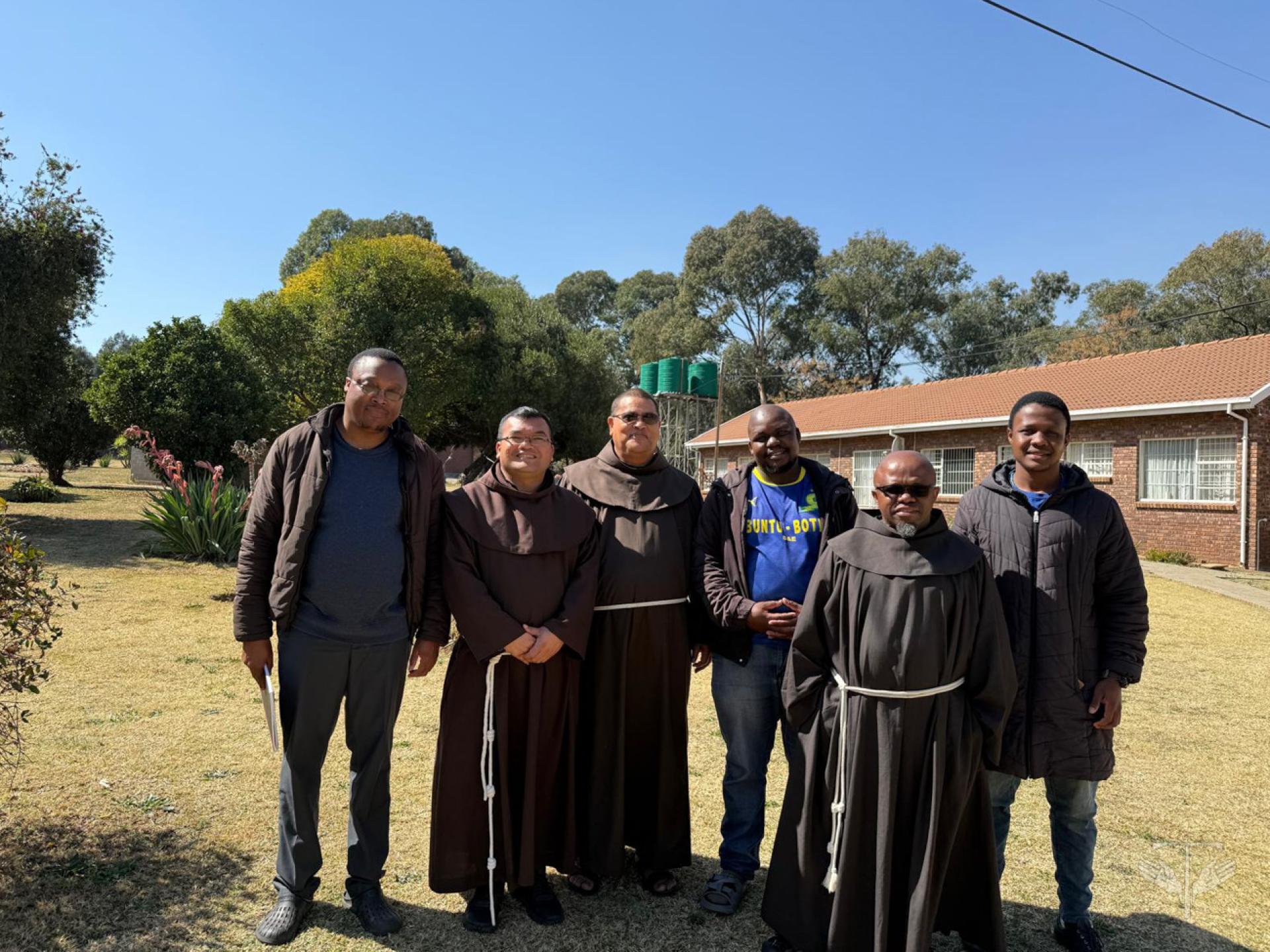
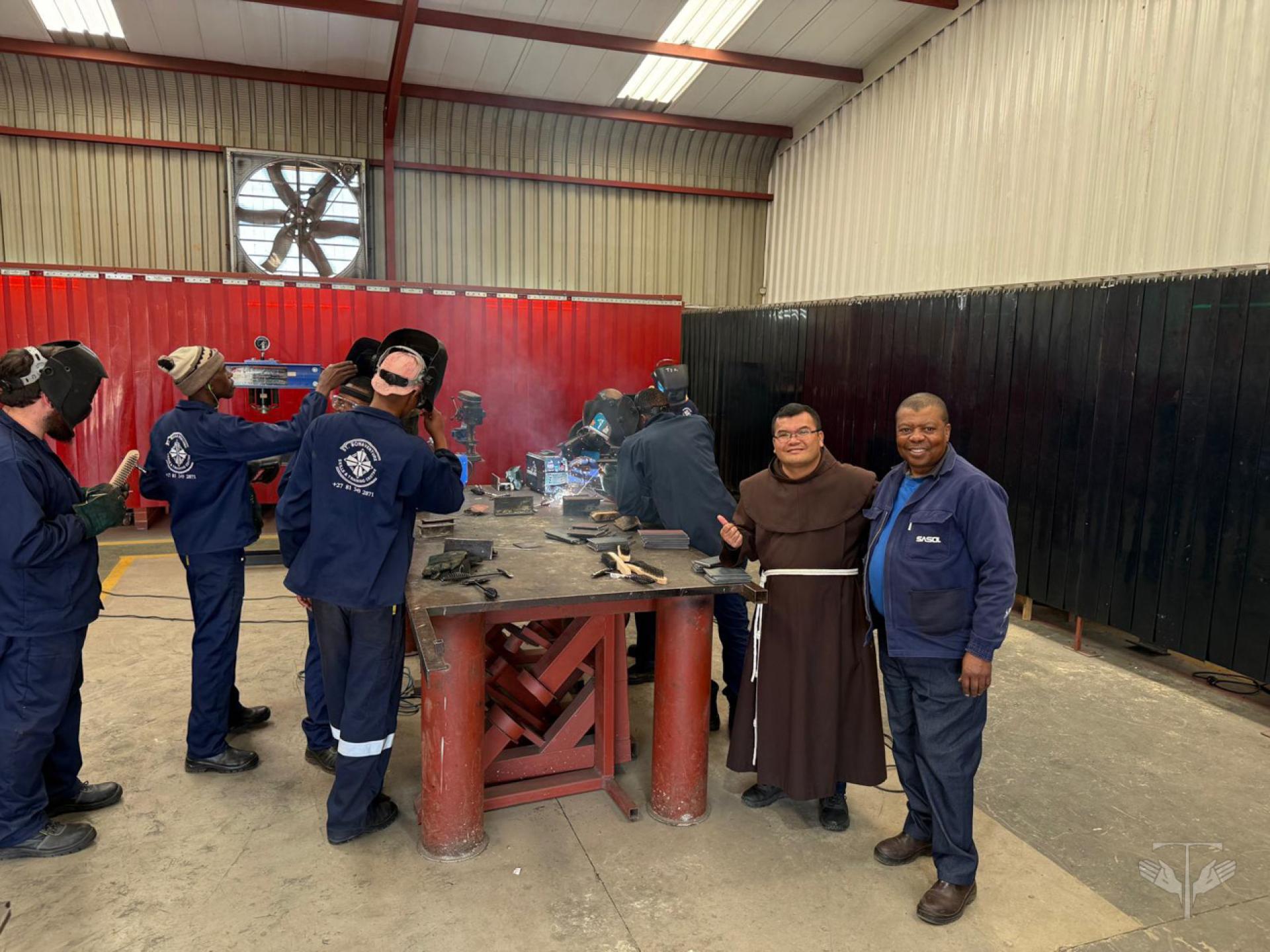
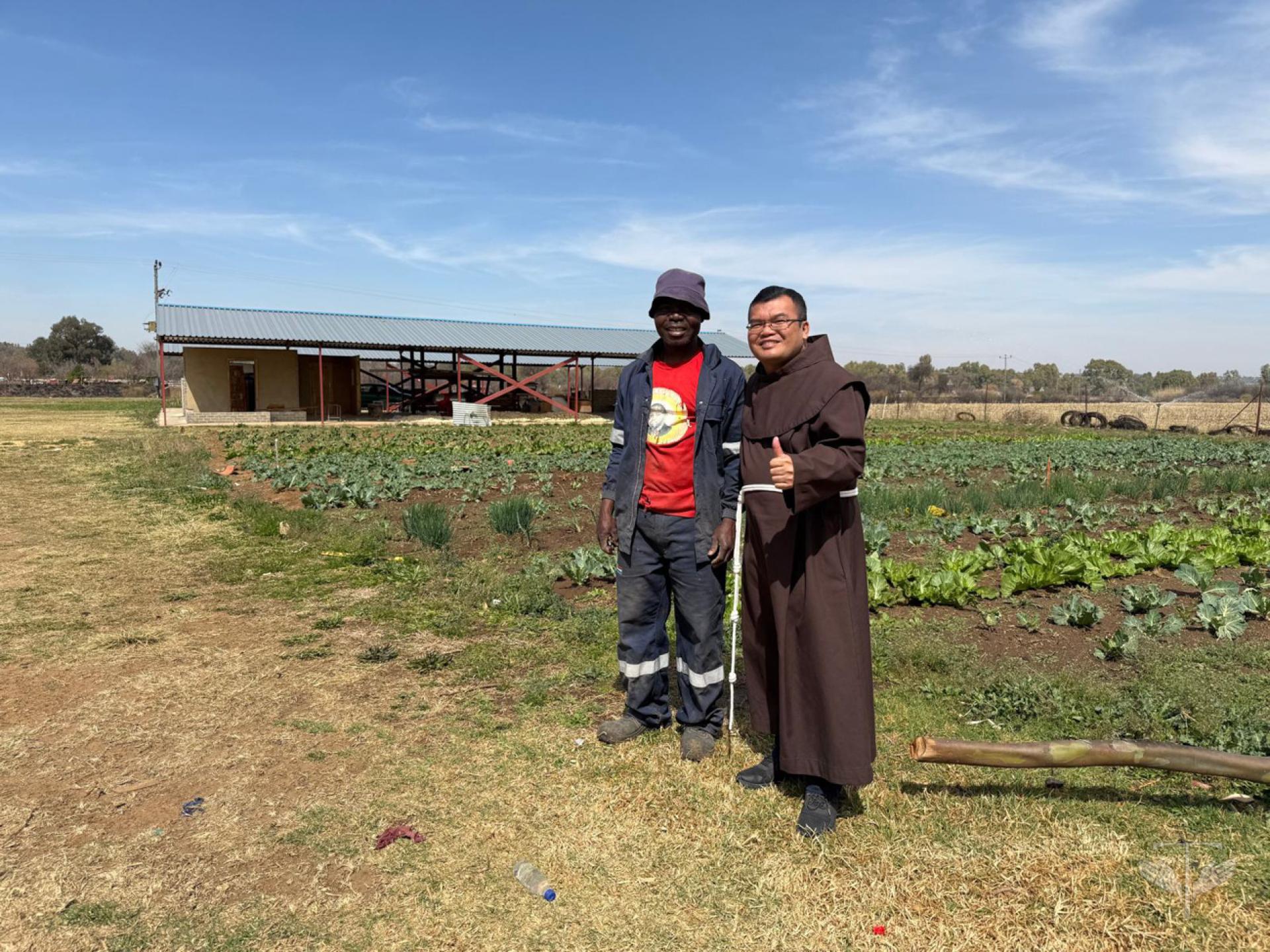
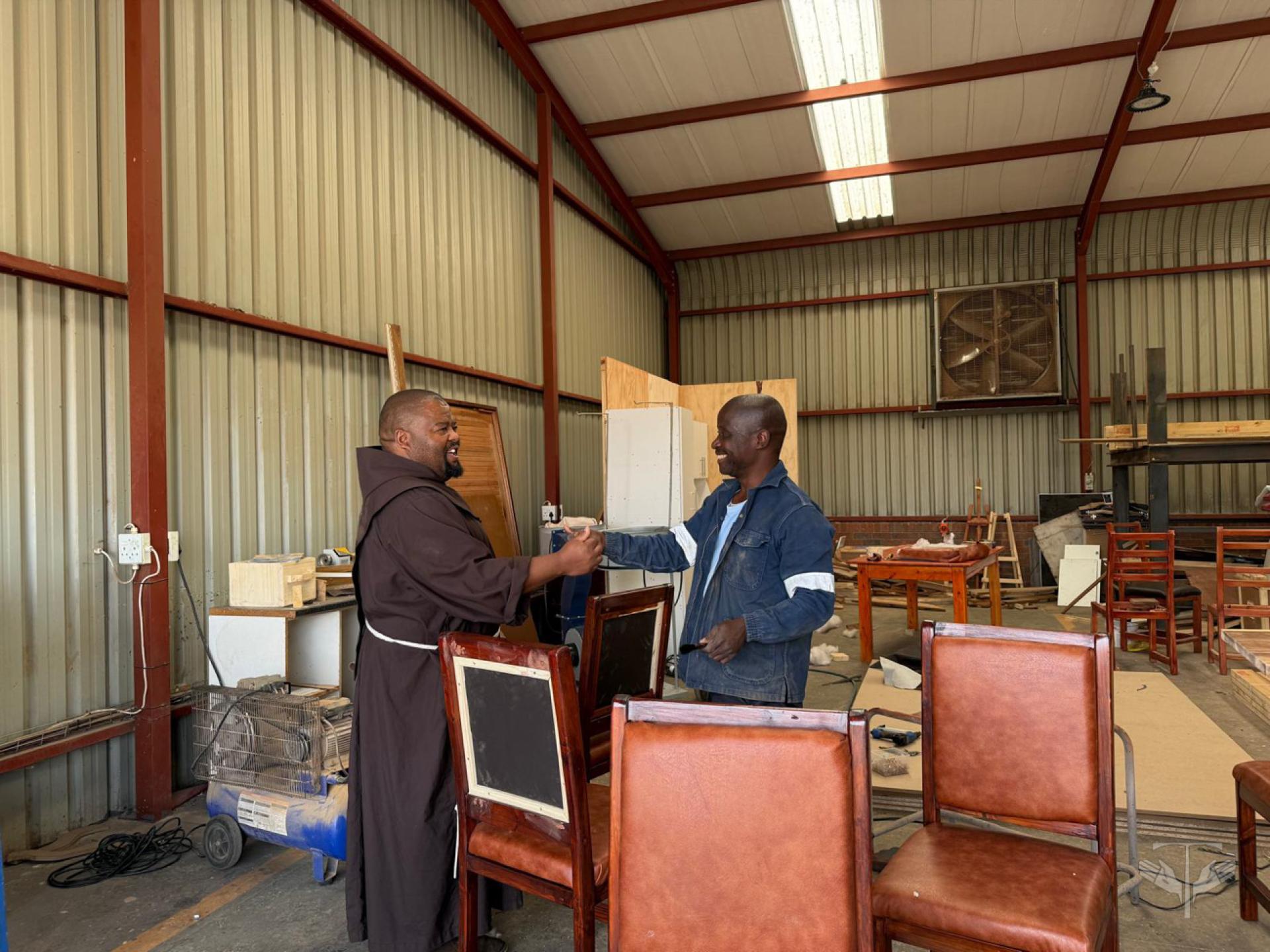
Br. Taucen was welcomed by Br. Sphelele Gwanisheni, OFM, Definitor General for Africa, and Br. Ndumiso Khumalo, OFM, Minister Provincial of the Province of Our Lady Queen of Peace, at the Provincial House in Vanderbijlpark, Johannesburg. In this area, the friars serve at least three parishes, where there is no apparent segregation based on race—whether Black, Coloured, or White. Nearby is the St. Bonaventure Skills Centre, where the friars, together with their team, offer training to students interested in farming, carpentry, and furniture making. There is also a retreat house, La Verna, where people can come for a spiritual oasis. Here, one can truly appreciate the broad vision that the friars have developed over the years: to integrate pastoral activities, capacity building, and spiritual renewal, all rooted in Franciscan spirituality and way of life.
Then, although there are no friars in Eldorado Park, the Franciscan presence can still be seen through the ministry of the FMM Sisters, who work in several schools in the area. According to the sisters, the current social situation of many families in the area is very challenging. They encounter a significant number of single-parent families, people struggling with drug addiction, problems related to crime, and a clear gap between the “haves” and the “have-nots.” Not far from the FMM Convent are Mandela House and Regina Mundi Cathedral, places that played an important role in the struggle against the Apartheid regime and the liberation movement some years ago. It seems that, although people have been liberated from racial segregation, a new form of segregation has emerged through economic inequality. The divisions of the past have not completely disappeared; rather, they have taken on a different form, as the gap between those who have resources and opportunities and those who do not continues to shape people’s lives.
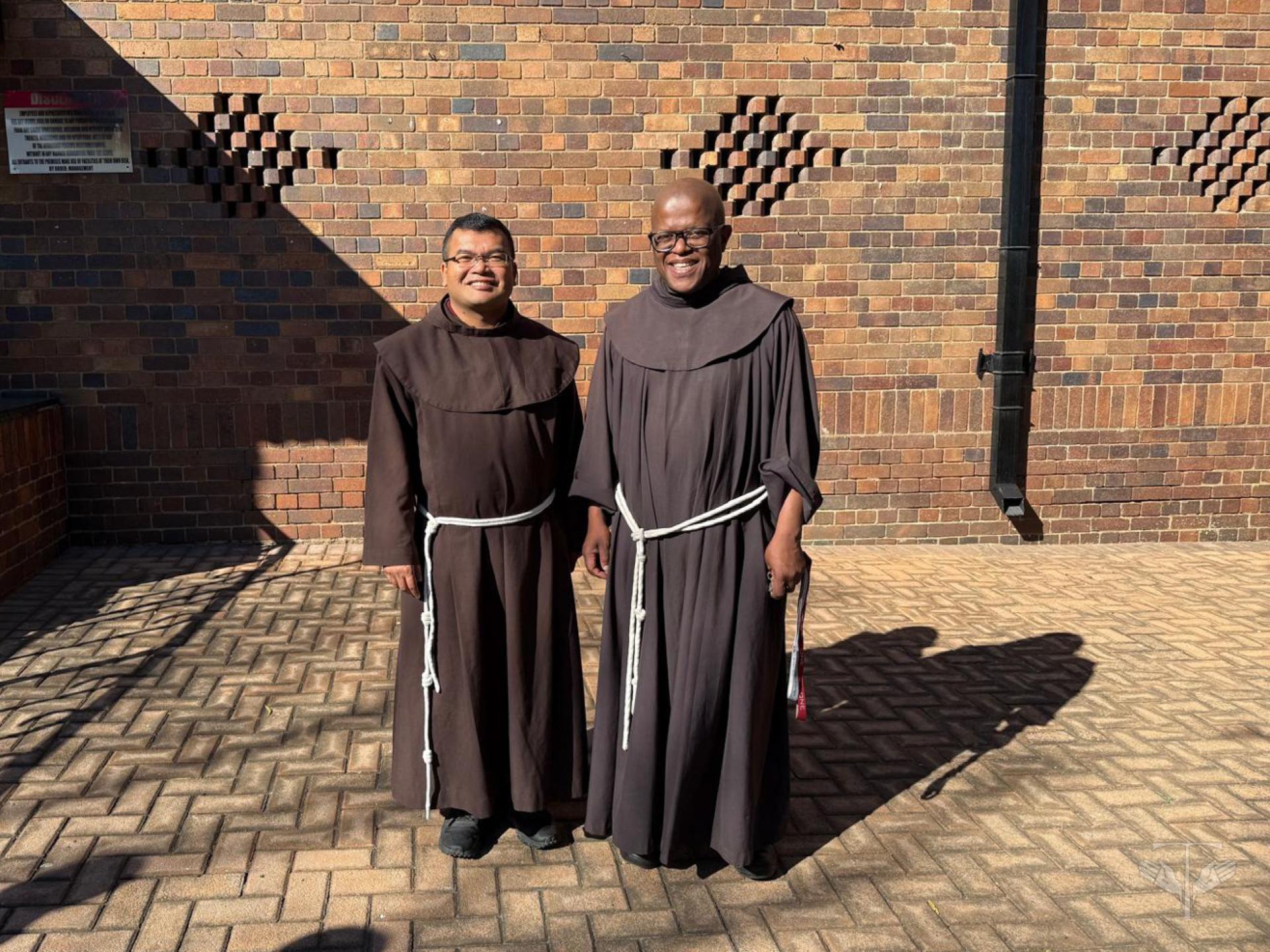
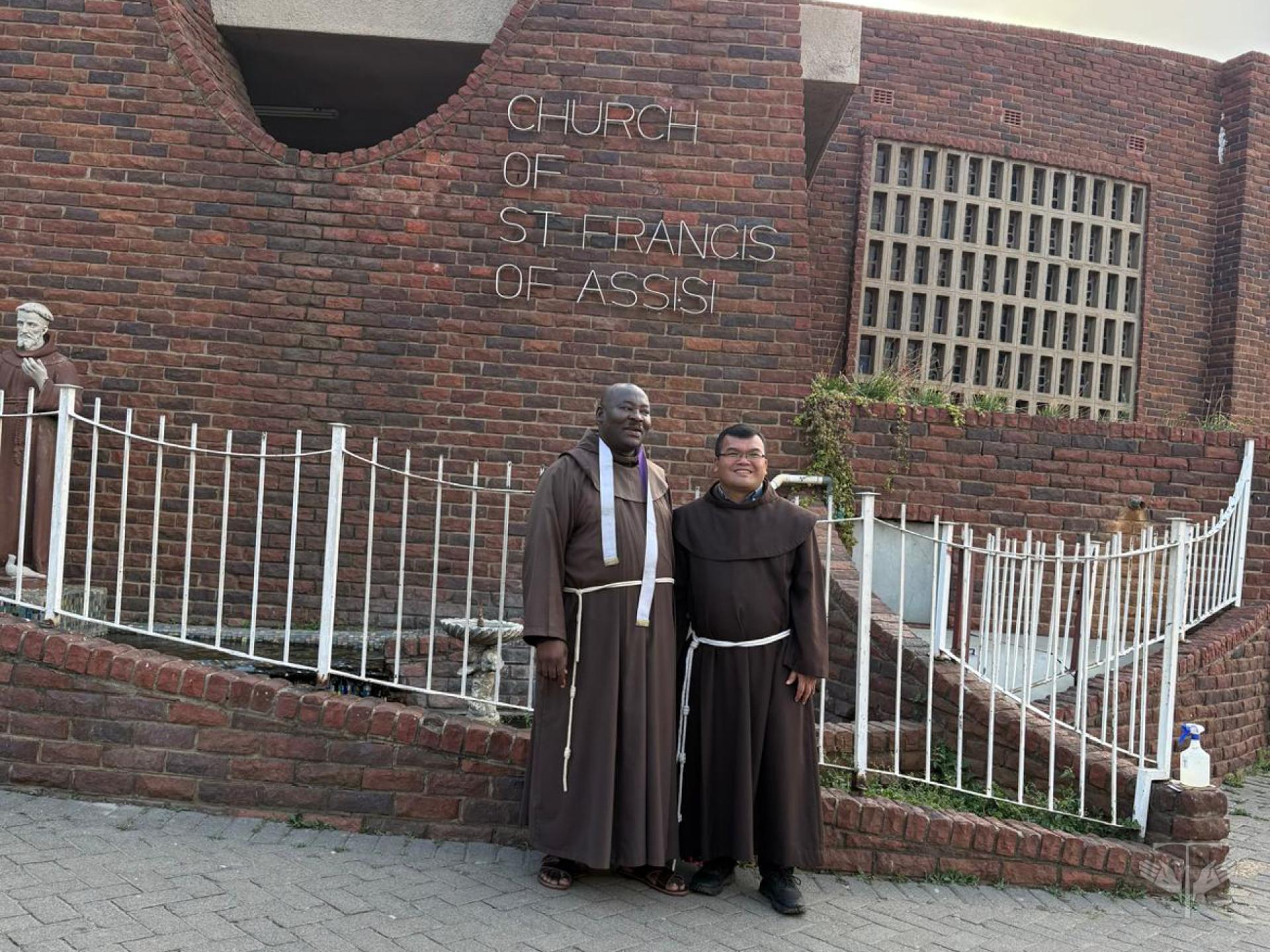
Later, the visit continued in Pretoria. There, Br. Taucen and Br. Sphelele visited the seminary, where students study theology and philosophy, as well as the Archbishop’s Palace and the Bishops’ Conference Building. There is also a parish served by the friars. The Franciscan convent is on Kort Street in Rietvalleirand. In the past, the convent served as a formation house for students. Today, it is used for postulancy, as a library and guest house, and also provides accommodation for some retired friars, including Archbishop Emeritus Br. William Slattery, OFM.
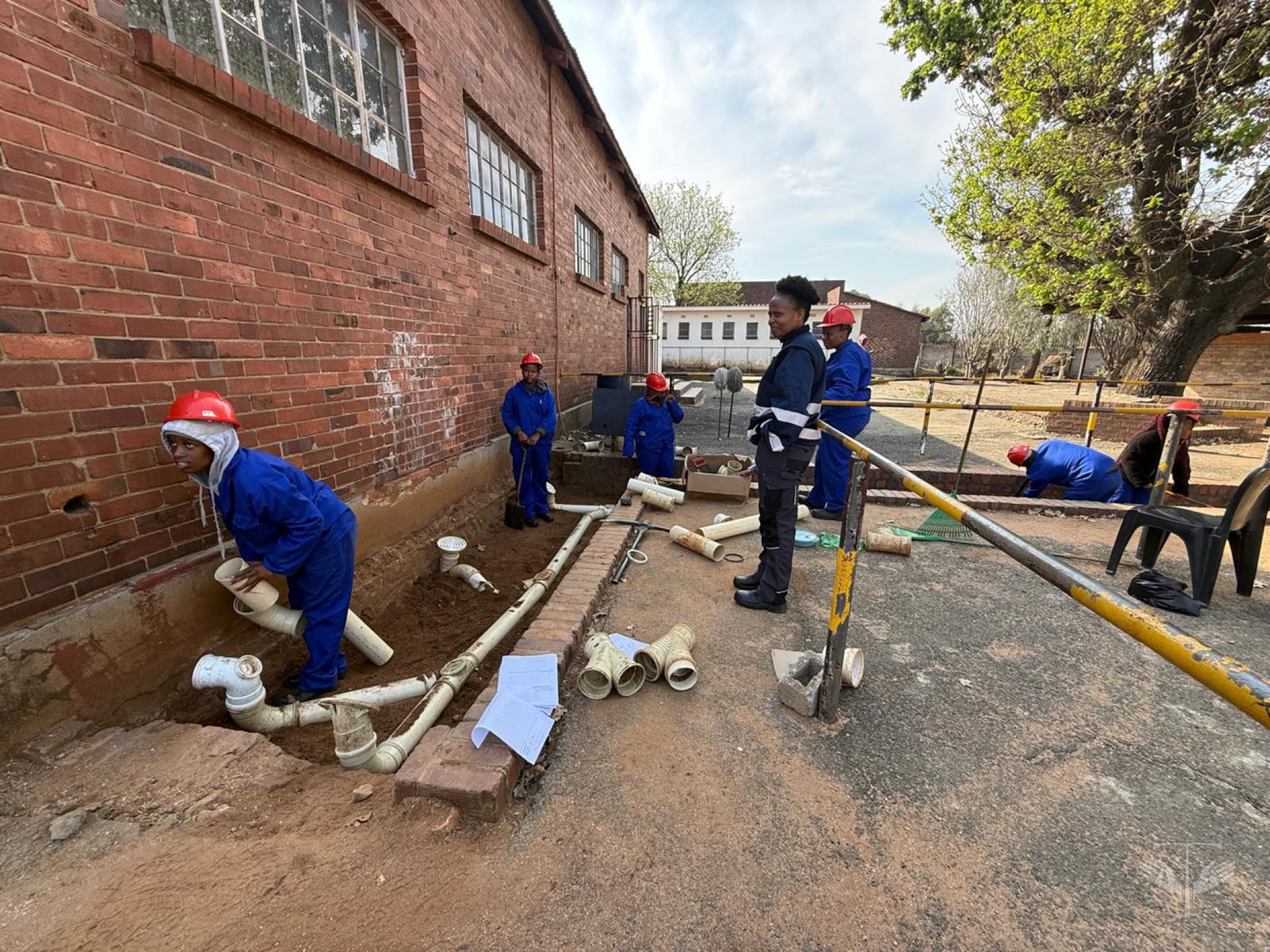
In Boksburg, the friars have a different experience. They serve in three parishes, the best known of which is St. Dominic’s Church, served by Br. Sekabata Solomon Mphela OFM as parish priest. Here, people come together as one ecclesial community, without exclusion. In this city, the friars also assist at St. Anthony’s Skills Centre, where students can learn practical skills such as electrical work, motor mechanics, plumbing, and other trades. One of the major challenges they face is how to support the people who come to the Rehabilitation House, called Mercy Haven for abused women, where women who have experienced abuse or mistreatment can live and receive psychological and spiritual support through a women’s empowerment programme. The friars also assist at the House of Mercy, where men and women struggling with substance abuse can stay and receive appropriate care, accompaniment, and treatment.
The challenge for the Province now is not only how to maintain and continue the Franciscan presence through parishes, Skills Centres, the retreat house, and spiritual accompaniment in rehabilitation centres, but also how to address poverty and inequality and promote justice for the poor. Surely, one can say that the friars are participating in an ongoing process of social integration and helping to build a society where people can live together in harmony as brothers and sisters.