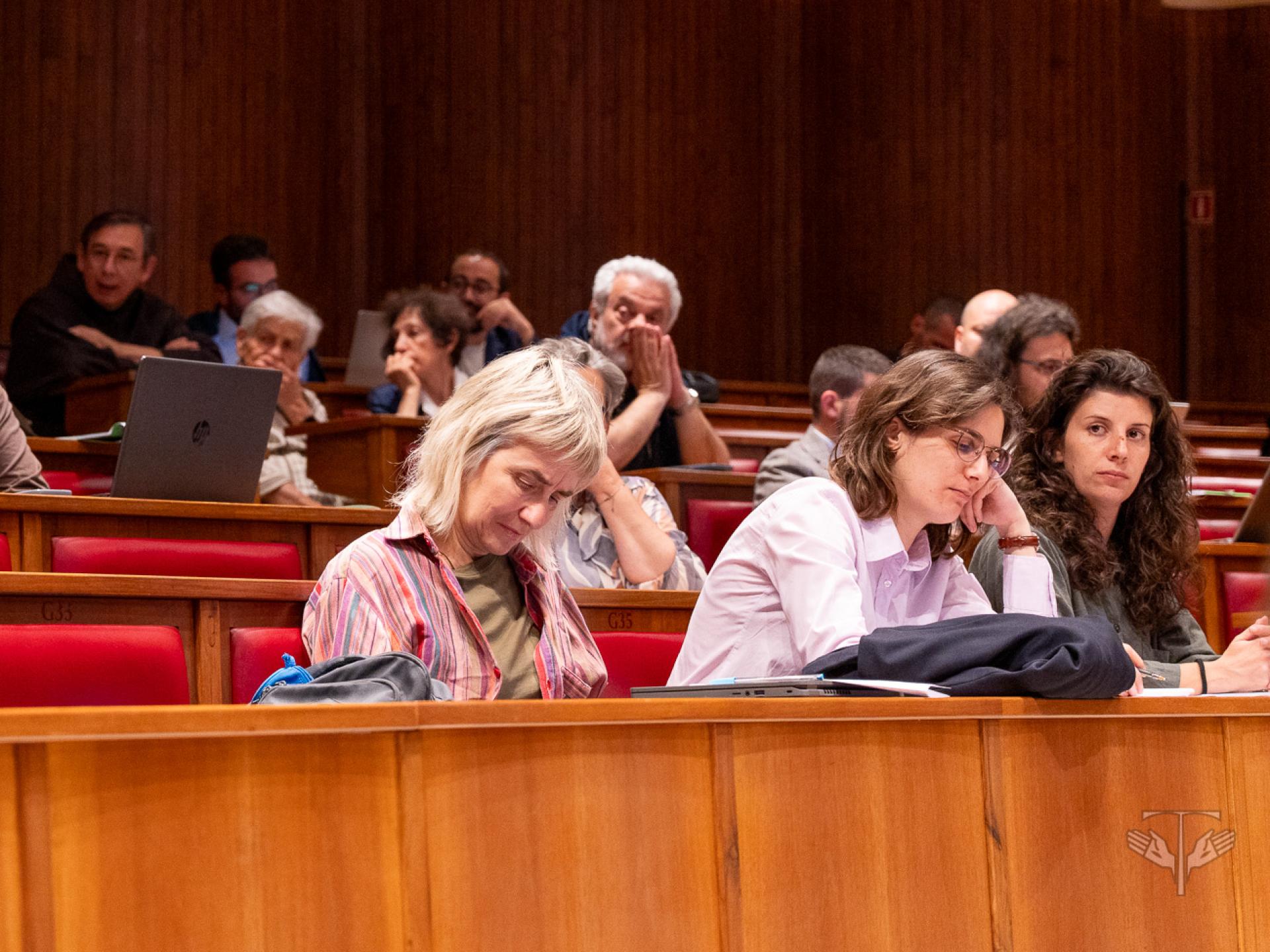
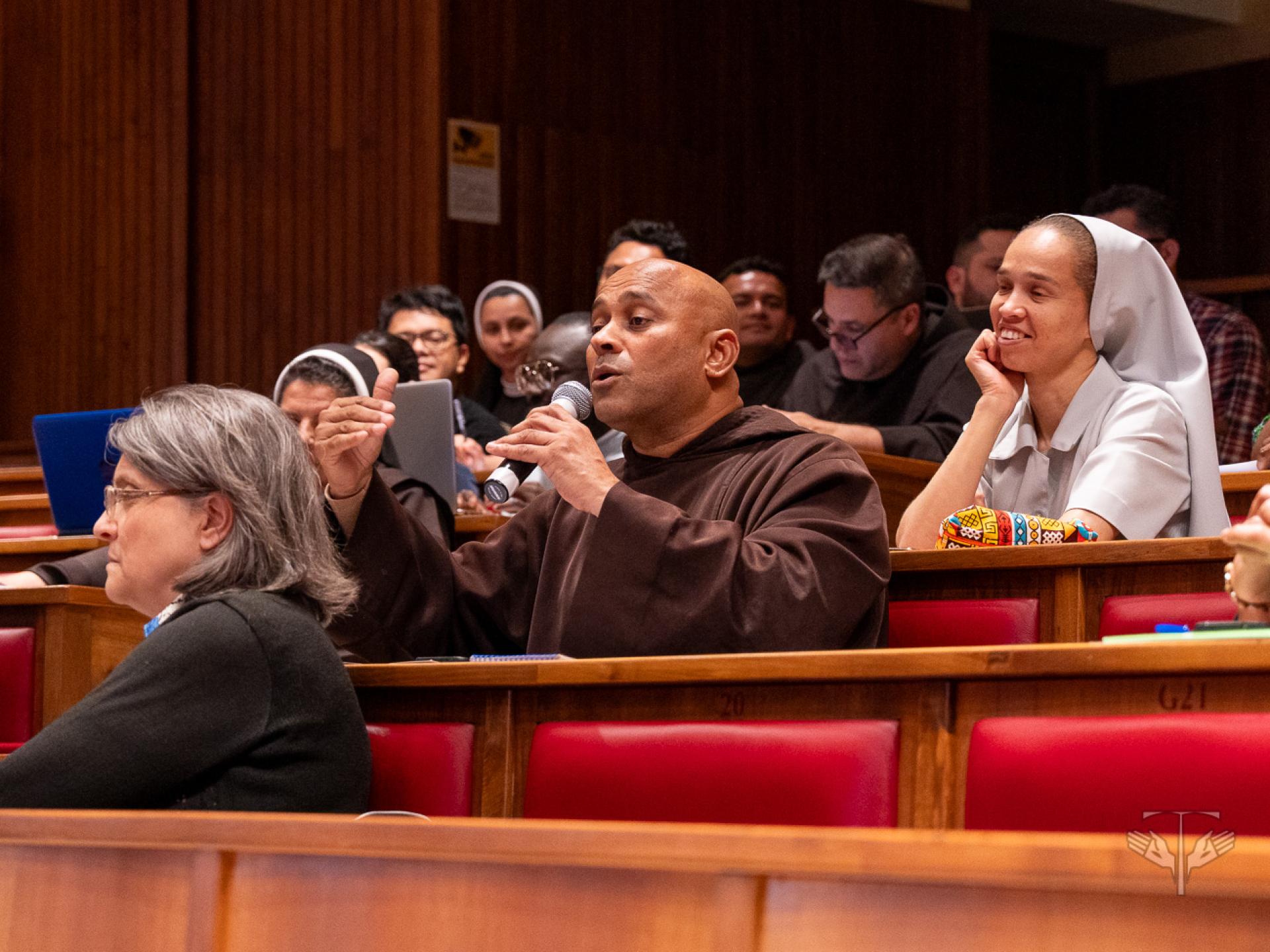
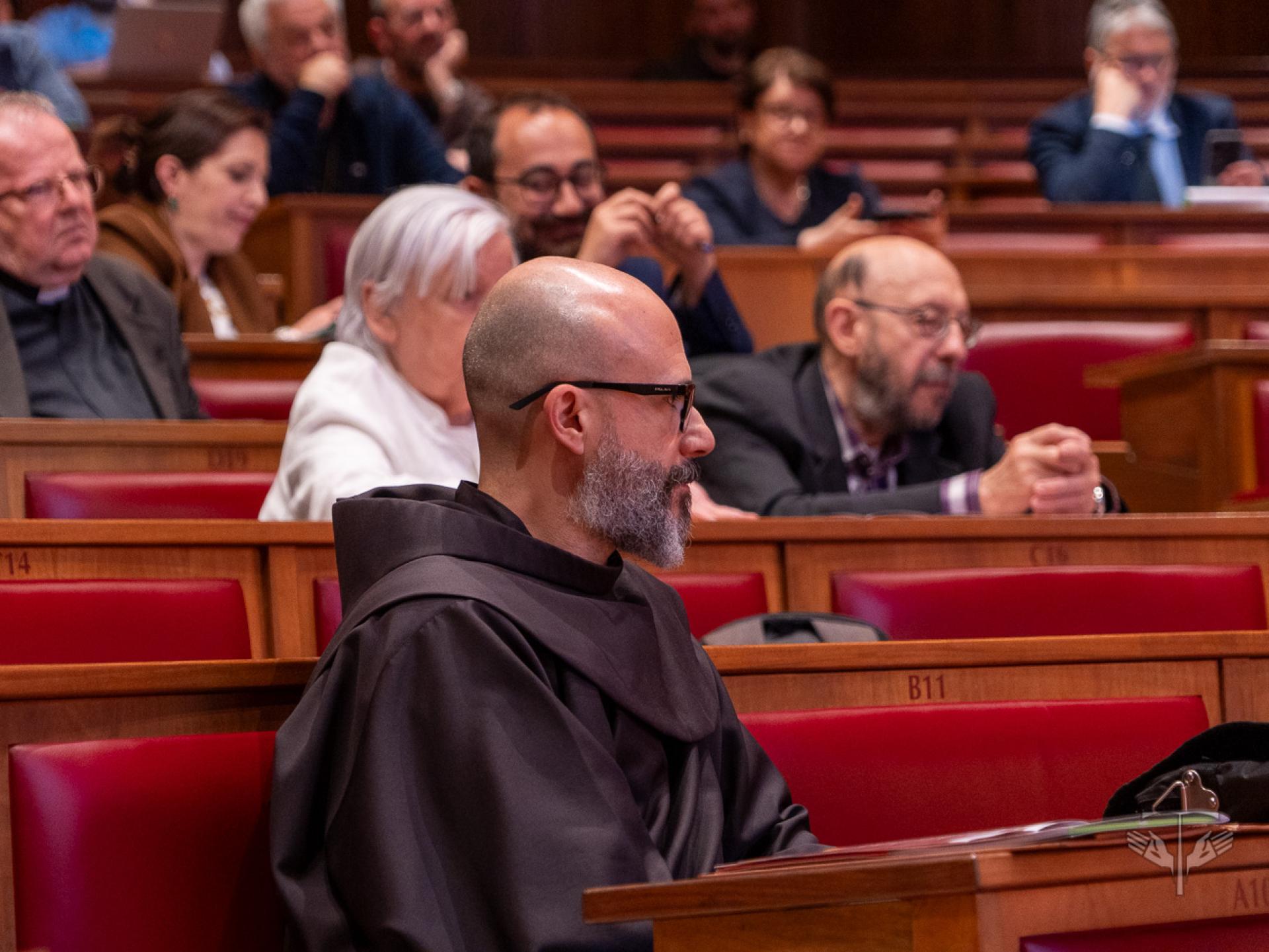
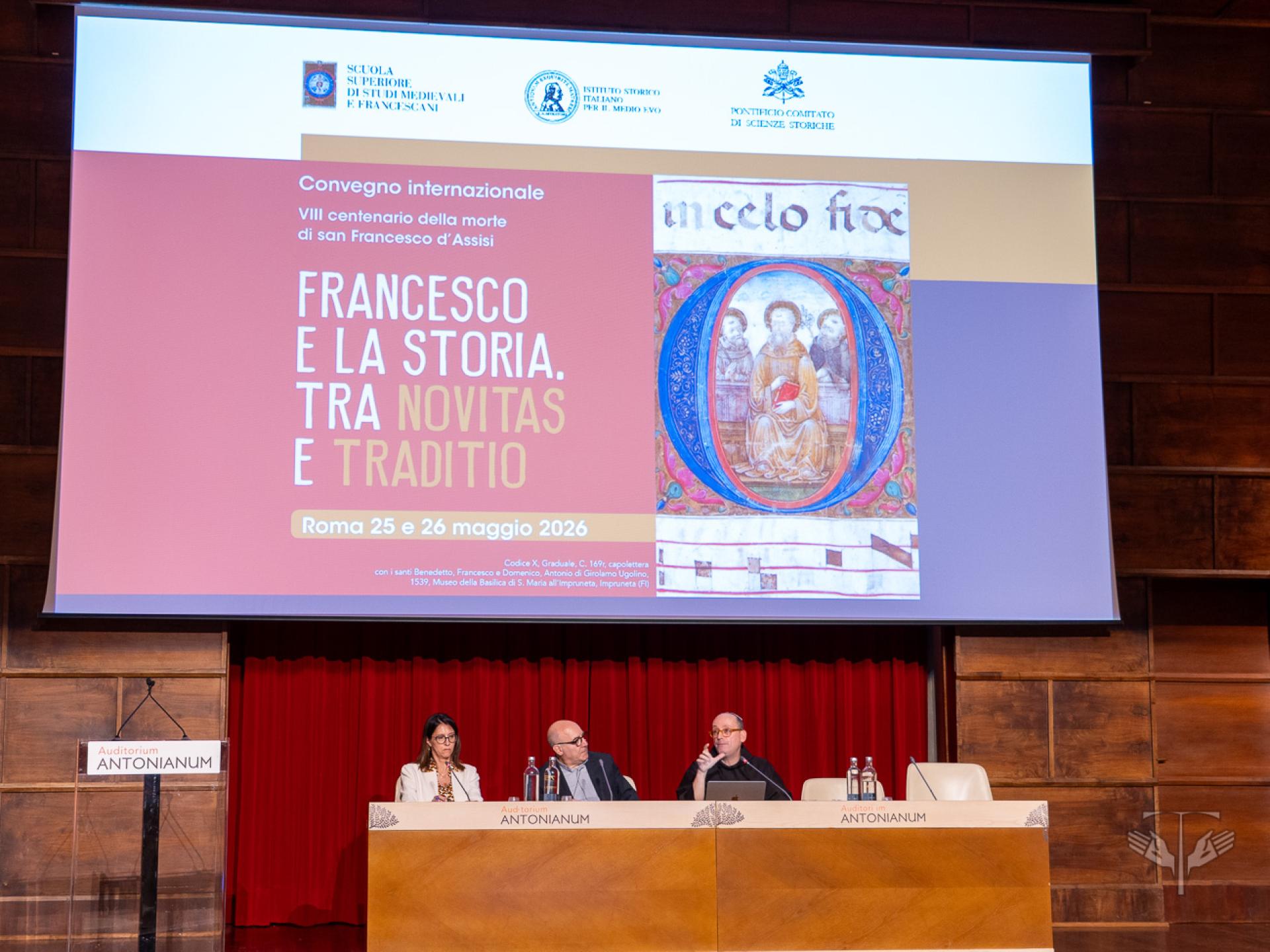
Conference "St. Francis and History: between Novitas and Traditio"
Rome, PUA, 25–26 May 2026
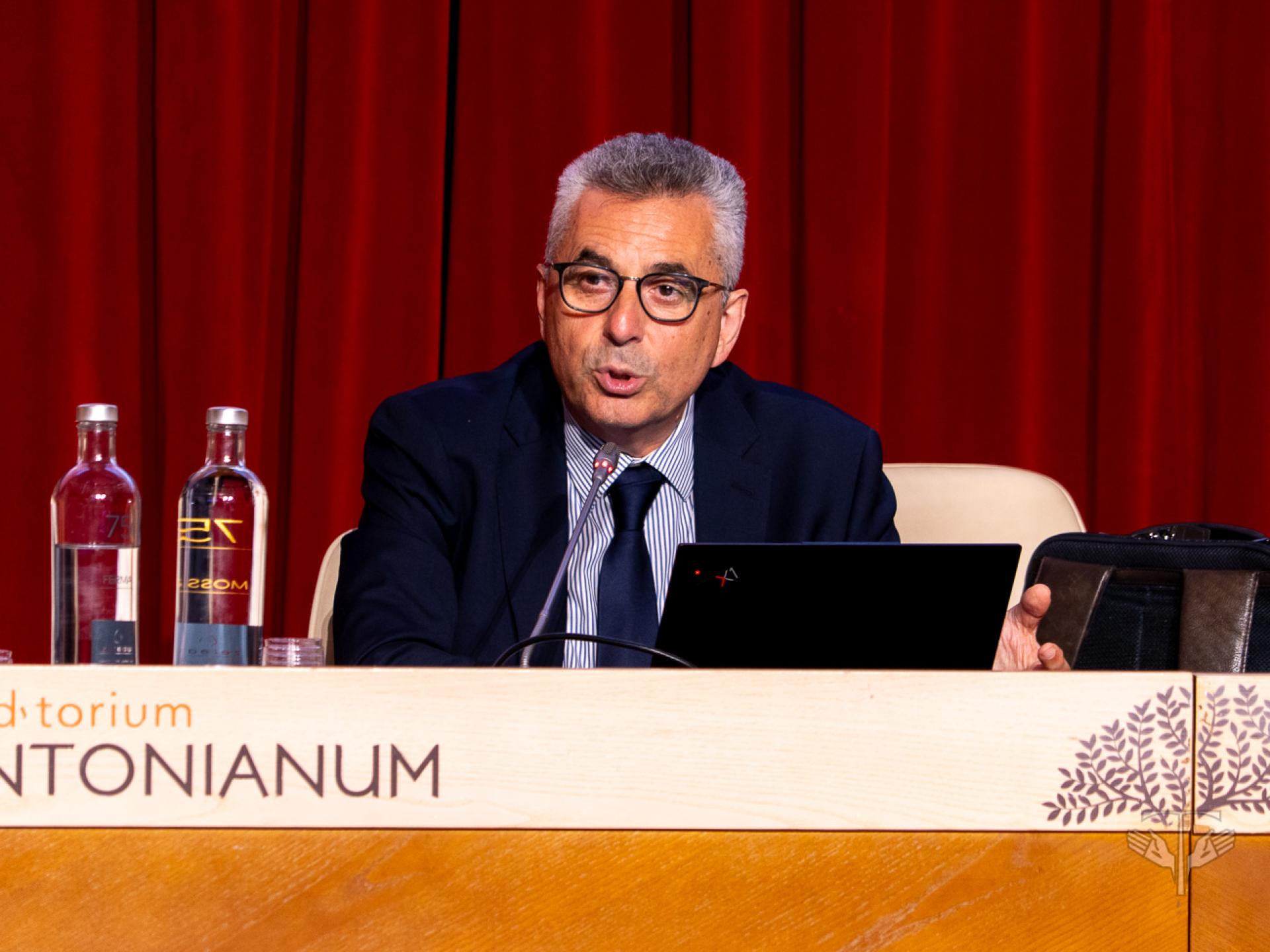
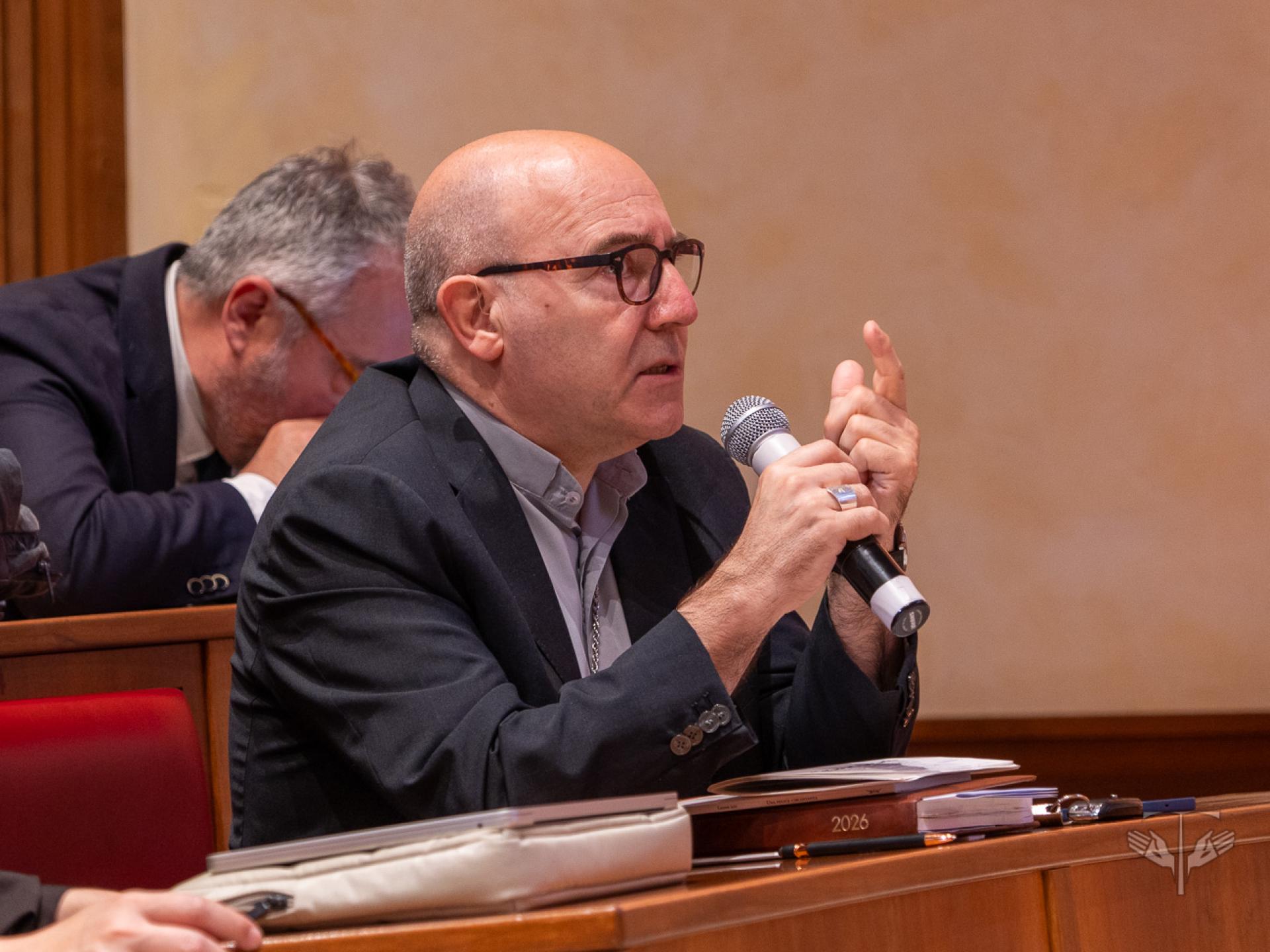
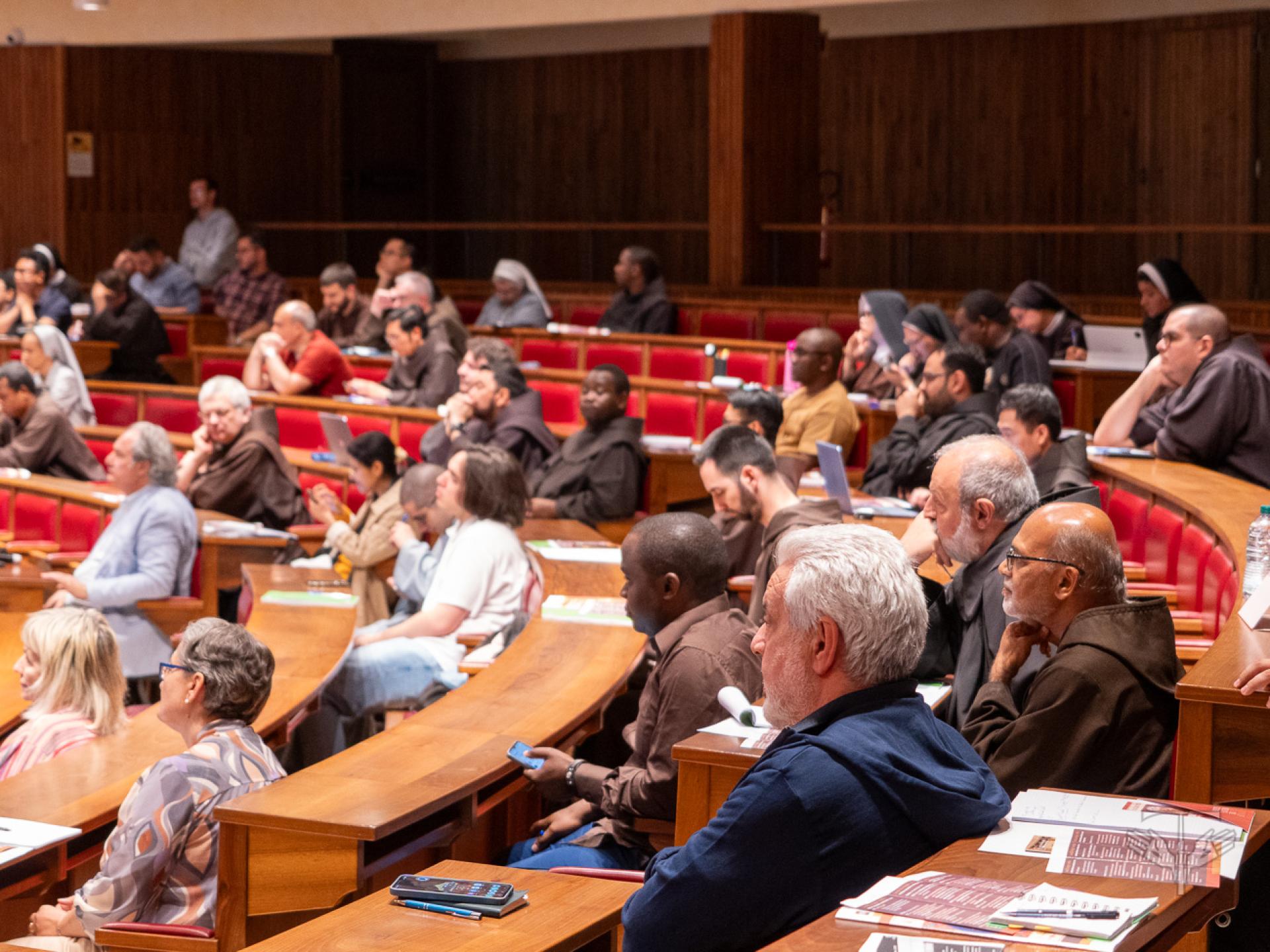
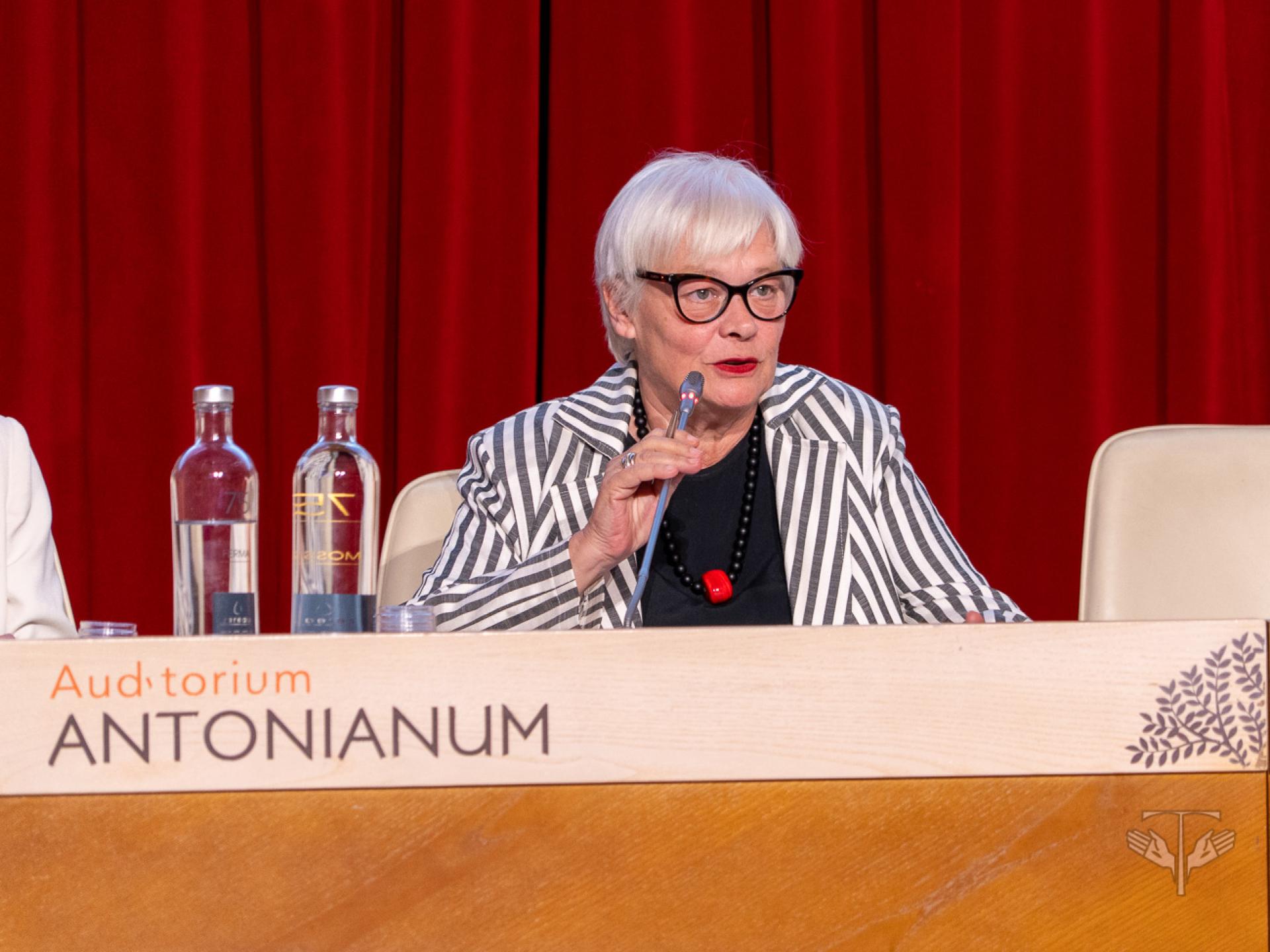
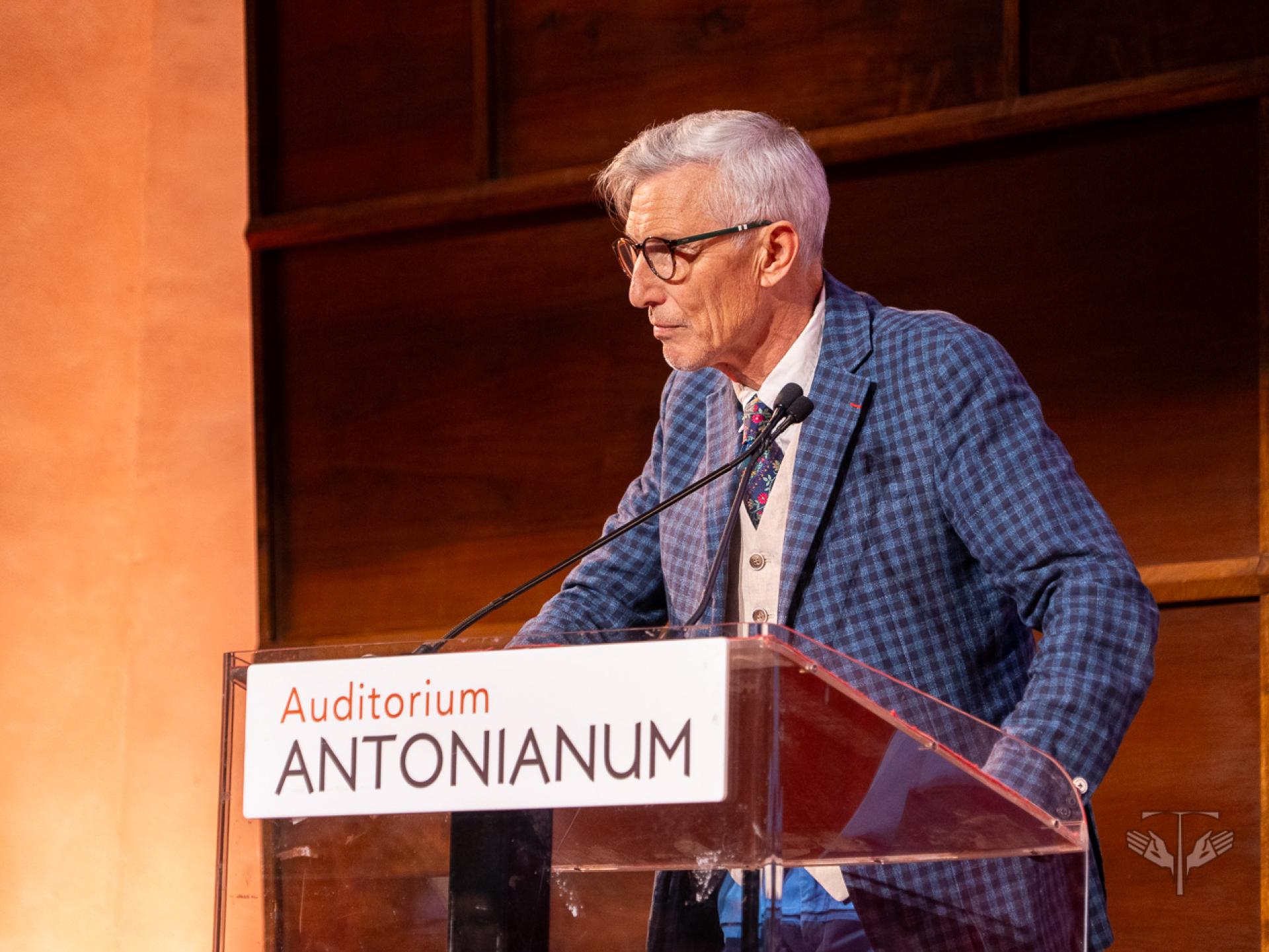
27 May 2026As part of the activities celebrating the 8th centenary of the death of Saint Francis of Assisi (1226–2026), the international research conference “Francis and History: between novitas and traditio” was held in Rome, May 25–26, 2026. It was jointly promoted by the Higher School of Medieval and Franciscan Studies of the Pontifical University Antonianum, the Italian Historical Institute for the Middle Ages, and the Pontifical Committee for Historical Sciences.
The reflections offered during this conference suggest looking at Francis through a historical and ecclesial lens, with an eye open to both novelty and tradition. We should not place all that has existed in competition with that which is still to come but rather embrace the tension created by the two as something which can bear fruit and help us in our discernment. The Franciscan experience, born from the radical nature of the Gospel, shows that original inspiration can allow itself to be "disciplined" without being suffocated, and that traditional ways of doing things may be transformed without betraying them. For this reason, serious study of the Franciscan sources, contexts, and institutions continues to be an essential service we must offer to the Church and our own Franciscan Family.
The conference explored, from various perspectives, what evangelization looked like and the different ways it was lived out in medieval times. The transition from the monastic way of living the Gospel to the Franciscan understanding of "following in the footsteps of Jesus Christ" was discussed. In this context, the relationship between legislation and hagiography was considered in our foundational narratives. Presenters also addressed the challenges that arose from the evangelical penitential movements of the 12th and 13th centuries, and the decision of Francis and the early brothers to embrace and witness to Church teachings, upholding legitimate ecclesiastical institutions as an avenue of cultural transformation.
In this context, some of the presentations at the congress offered particularly illuminating insights into understanding continuity and discontinuity in our Franciscan history. Letizia Pellegrini showed how the later Observants - particularly the Italian branch—did not limit themselves to repeating 13th-century practices, but strategically reread the signs of the times to adapt practices to meet the current pastoral needs and to promote reform. Between the time of Francis and Bernadine, these brothers shifted their emphasis towards the “apostolate” and preaching, without denying the values of our founder but using them as the starting point to expand our ecclesial reach and identify our mission.
Speaking from another perspective, Nicolangelo D’Acunto examined how the reverence toward the ecclesiastical hierarchy expressed in Francis's writings manifested in his interactions with the Apostolic See (popes and cardinals), with bishops—particularly the Bishop of Assisi—and with priests. He saw a certain evolution in Francis’ and the Order of Friars Minor’s relationships with the men holding these offices. Furthermore, Pierantonio Piatti presented on medieval narratives that covered the life and death of religious founders—from monastic times to the 15th-century —and how these stories provide a privileged vantage point for understanding "discontinuity and continuity.” The memory of a founder’s “holy death,” he said, changes over time and transforms the self-understanding of a religious family.
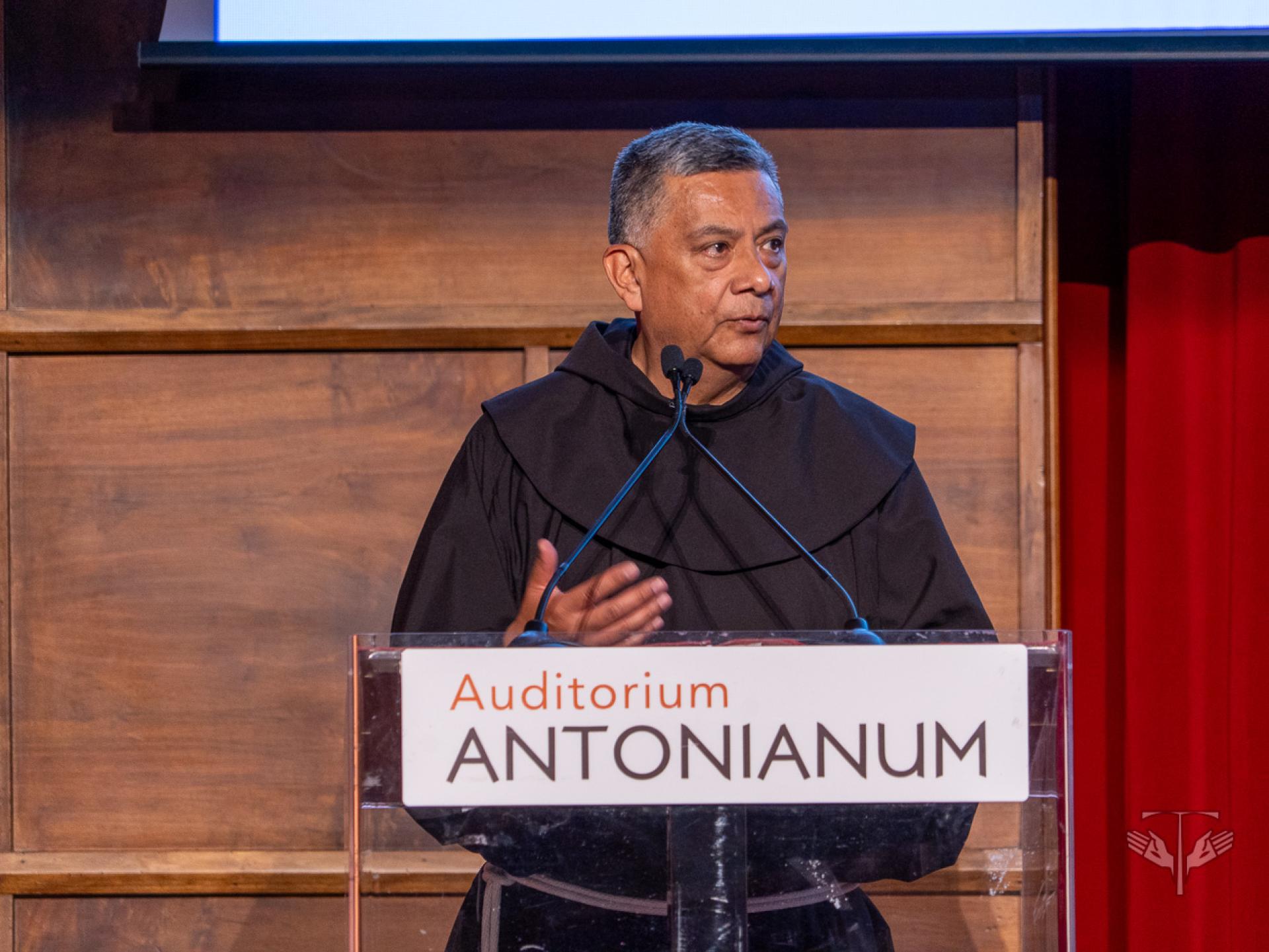
In a greeting from Minister General, Br. Massimo Fusarelli, OFM—read by Br. Ignacio Ceja, OFM, Vicar General—gratitude was expressed to all the sponsoring institutions for patiently supporting the rigorous work that needed to be done with the sources. Holding to both novelty and tradition is a challenge we must embrace, he said. Though much was brand new in the life of Francis, he did not erase the past but rather transformed it, as we are called to take what is aging in our tradition and transform it through creative fidelity that requires study, discernment, and listening to the signs of the times.
The sessions began on May 25 in the Auditorium of the Pontifical University Antonianum (Viale Manzoni 1) and concluded on the morning of May 26 at the Italian Historical Institute for the Middle Ages (Piazza dell’Orologio 4).
Those who wish to read summaries of all the presentations can find them here:
https://www.antonianum.eu/news/francesco-e-la-storia-tra-novitas-e-traditio-convegno-internazionale-per-lviii-centenario-della-morte-di-san-francesco-dassisi/
See all the photos on Flickr