The commitment of Franciscans for peace in Japan
The visit in Asia of the Order’s Offices of Animation continues
19 February 2025From February 10 to 17, 2025, the friars responsible for the General Secretariat for the Missions and Evangelization and the General Office for Justice, Peace and the Integrity of Creation of the Order of Friars Minor became acquainted with the Franciscan work in Japan, as part of their visit in Asia.
In 1977 the Franciscan Province of the Holy Martyrs of Japan was created, the result of the missionary presence of entities of the Order from Europe and America. Currently, the province numbers about seventy friars distributed in nine houses.
Undoubtedly, both the local church and the Franciscan presence in Japan have been marked by two events which outline its face. The first of these is the persecution of Christianity that lasted more than two centuries, which left a long list of martyrs. The second refers to the nuclear attack of the United States in August of 1945 against the two Japanese cities of Hiroshima and Nagasaki.
Persecution and martyrdom
The scope, ferocity and duration of the persecution of Christians in Japan, which lasted almost 250 years, are unparalleled in the two millennia of Christianity. During this long period, tens of thousands of Christians lived their faith in secret. Many of them were condemned to martyrdom and most of their names remain unknown.
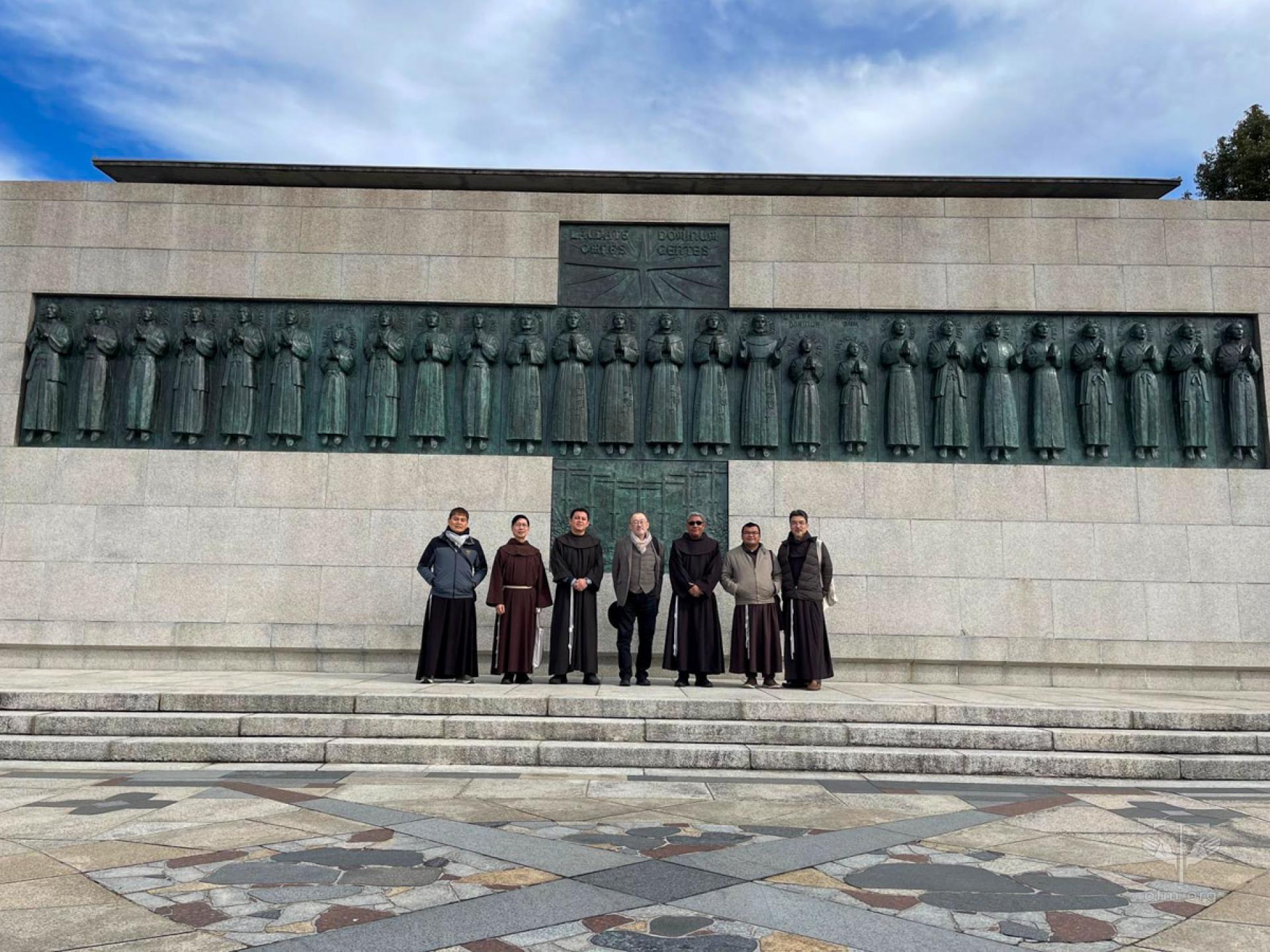
Among those who received the palm of martyrdom there were also some Franciscans. For example, on February 15, 1597, the Spanish Franciscan Pedro Bautista, along with another twenty-five (25) Christians, was assassinated near the city of Nagasaki. Pope Pius IX canonized them in 1862. A public square in the center of the city of Nagasaki is dedicated to these first witnesses of the Japanese Church. Another two hundred five (205) martyrs were beatified in 1867. A group of sixteen (16) martyrs was canonized by St. John Paul II in 1987 and, finally, one hundred eighty-eight (188) martyrs were beatified in Nagasaki.
Some Franciscan brothers in Japan are descendants of Christian families which lived their faith in hiding. Therefore, the local church and the Franciscan presence have their origin in the testimony of this great assembly of martyrs in Japan.
Today one of the most important challenges which the religions of this Asian country must face is religious indifference. On the one hand, the average age of the clergy and religious life increases from year to year; on the other hand, diocesan seminaries, houses of formation of consecrated life, and Buddhist monasteries are increasingly empty.
In this regard, Br. Massimo Fusarelli, Minister General, in the 2024 document, Brothers and Minors Today, affirms that “the decrease of vocations in some areas and their multiplicity in others, together with the challenges which affect the peace, the common home, and religious freedom, require on our part a lot of discernment to recognize the presence and action of the Lord in our midst and around us”.
The atomic bombs
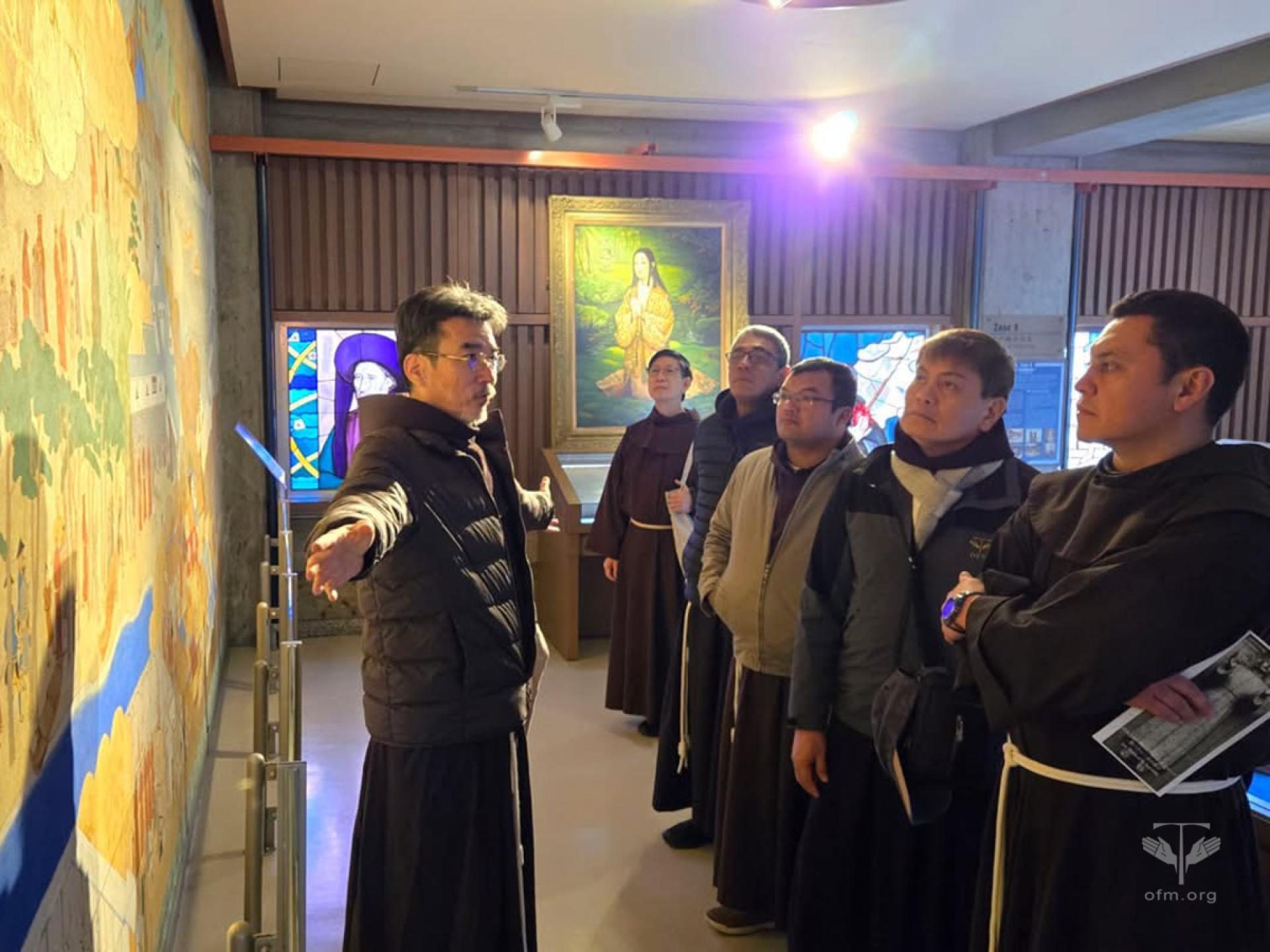
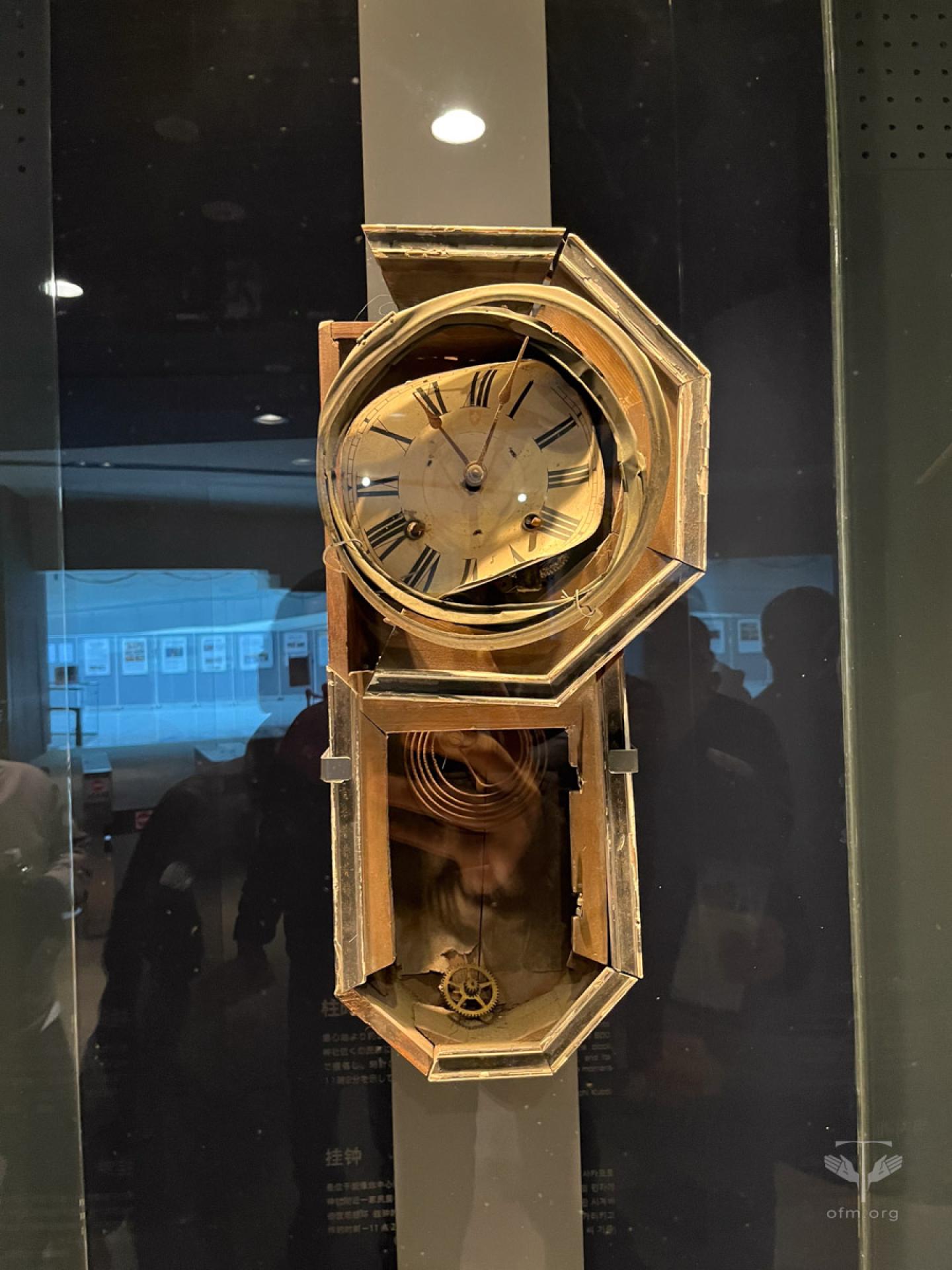
A damaged clock with hands marking 11:02 is on display at the Museum of the Atomic Bomb in the city of Nagasaki. It was the moment in which it was stopped by the explosion of the atomic bomb on August 9, 1945. In a few hours, it caused the deaths of over 70,000 persons, becoming one of the genocides with the greatest number of victims in a few minutes. Hiroshima had experienced it three days before.
2025 will mark the 80th anniversary of the only nuclear attack recorded in history. Br. Jacob Kataoka, a member of the Franciscan Province, is a survivor of the atomic bomb in Nagasaki. According to his recounting, he was nine years old. His school was half a kilometer away from Ground Zero. He remembers that most of his classmates and teachers died on the spot.
Rereading the current situation in the world, Br. Massimo Fusarelli, in the aforementioned document, asks himself: “How can we not realize that, in this historical moment, wars and conflicts, together with climate change, are realities that increase the number of migrants and refugees in the world from year to year, with all the consequences that this entails, including the pressure to close borders and hearts?”
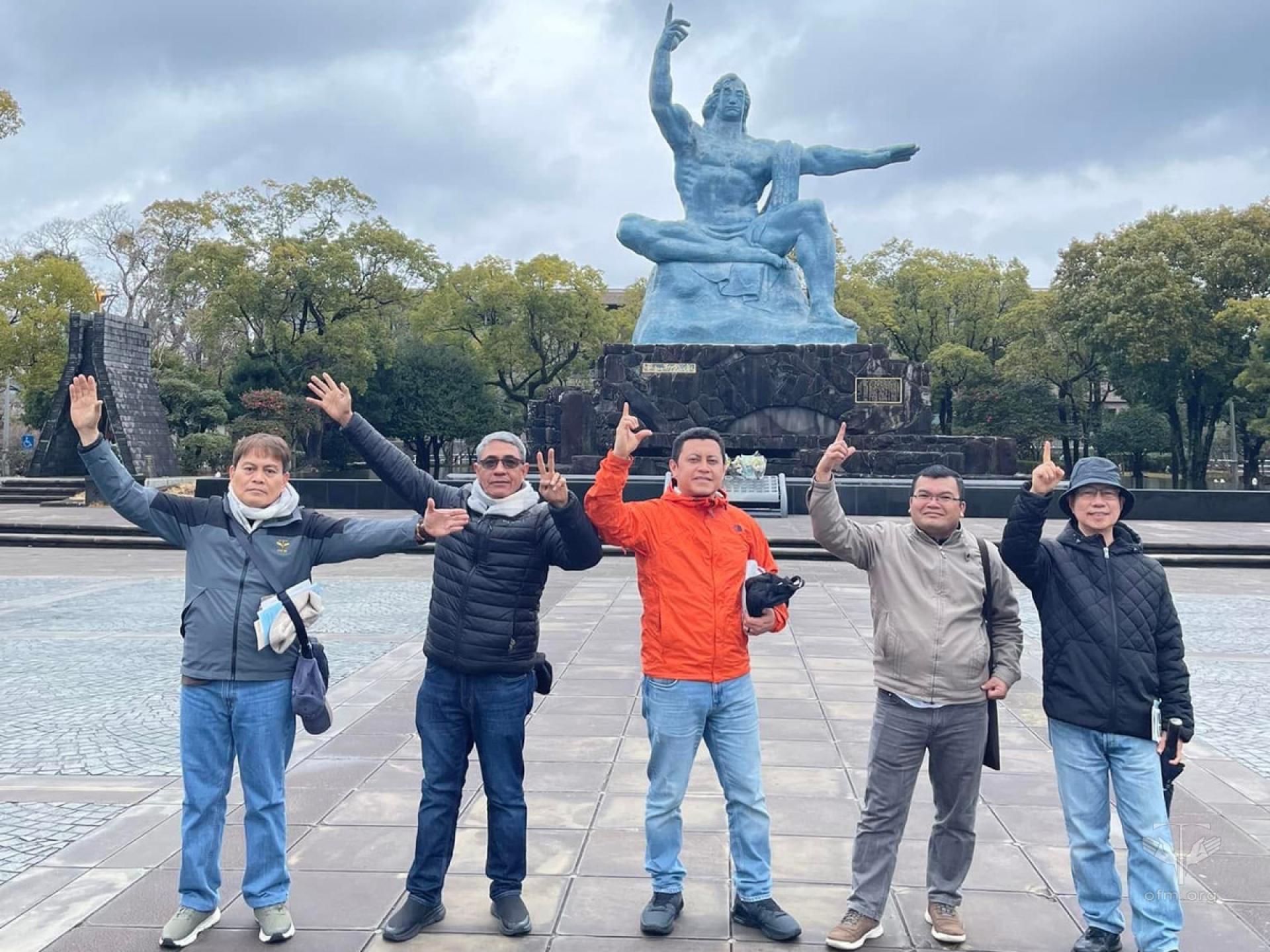
Br. Francis Furusato and Br. Antonio Kim were pioneers of the so-called Nagasaki Project, “an international Franciscan fraternity for peace, whose fundamental concept is to spread and promote lasting peace in the city of Nagasaki and in the world”. Br. Francis assures that “this project is not only a look to the past, but also a message of peace for the present and future.”
A project that was made possible, thanks to the collaboration of other Franciscan provinces, especially on the Asian continent, which have offered their brothers to form the international fraternity. Furthermore, according to Br. Augustine Takuji Kuwata, Provincial Minister, the Nagasaki Project is open to Franciscan brothers from the entire Order who wish to join for a long stay or a sabbatical period. Brothers coming from Germany, Argentina, United States, among other countries have already lived this experience.
Christianity and the Franciscan Order in Japan were shaped by a prolonged persecution that led to the bloodshed of the martyrs and also by the consequences of a nuclear attack. From these historical wounds, the message and the commitment of the Franciscan brothers for peace emerges anew. A message posted at the entrance of the city museum, which can be read in ten languages: “Nagasaki must be the last place exposed to an atomic bomb”.
Br. Daniel Rodriguez Blanco, OFM
Director, JPIC Office