Manila, national celebrations of St. Francis’ 800th Transitus
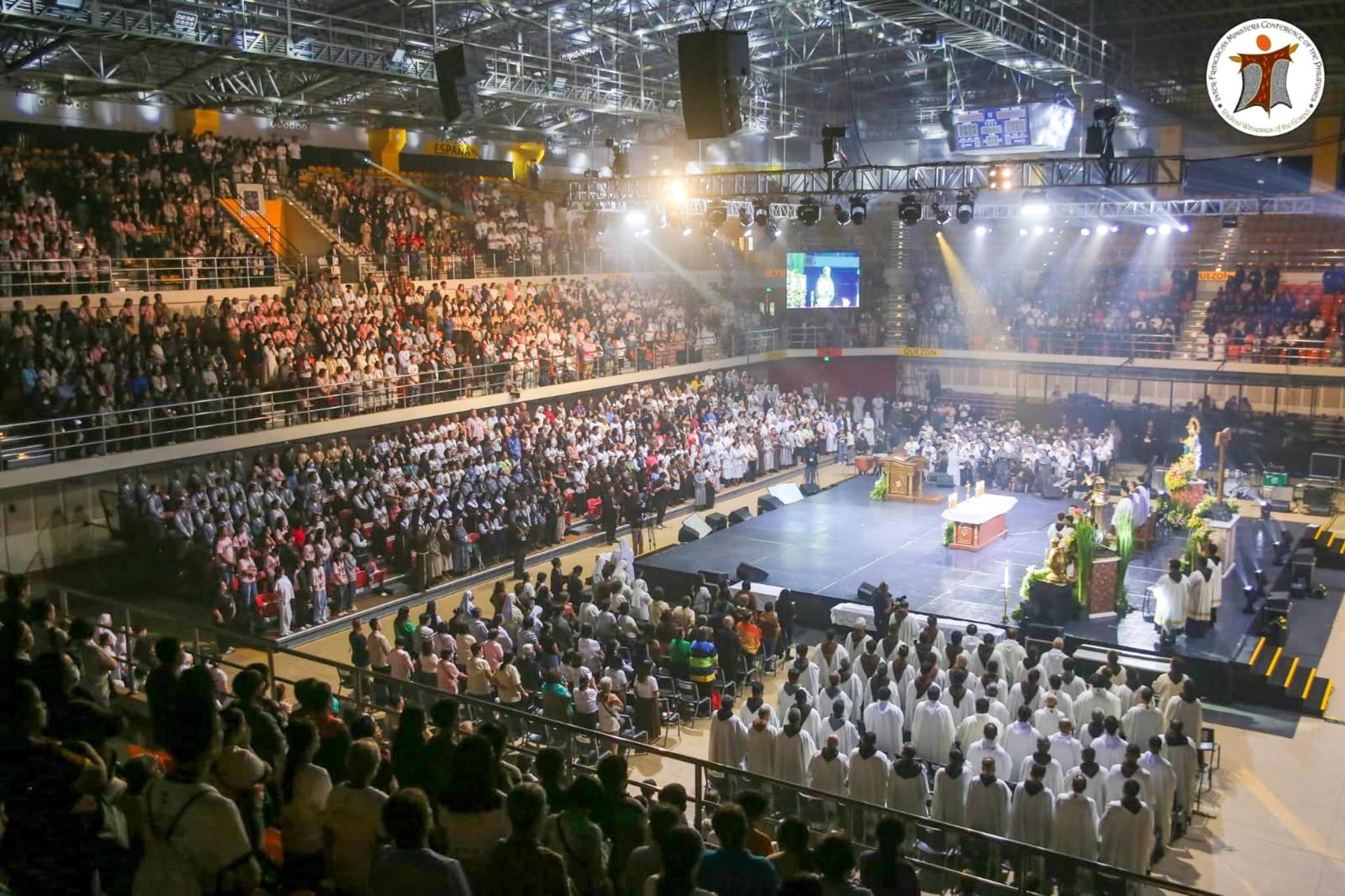
Around 3700 people from across the Philippines gathered the event
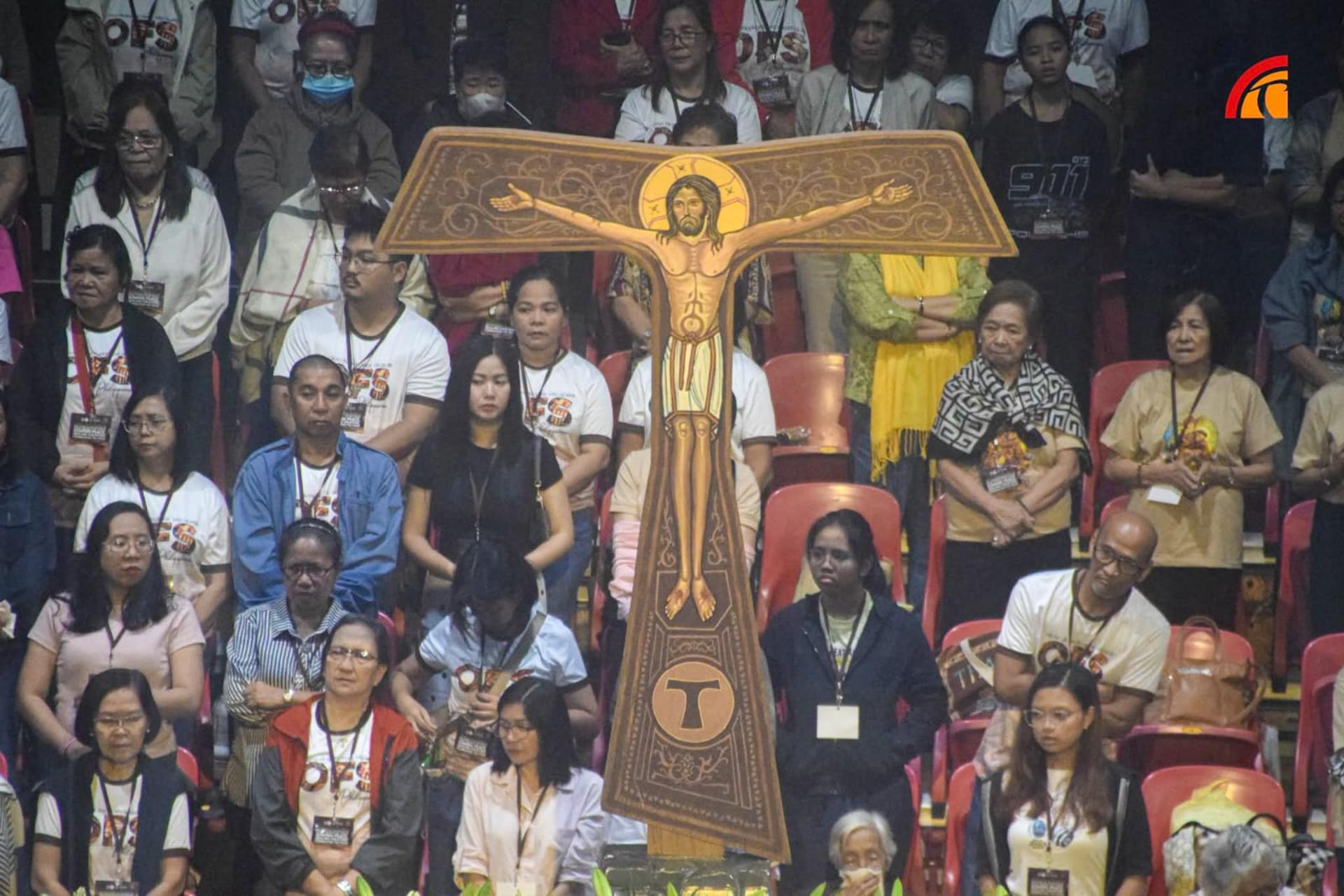
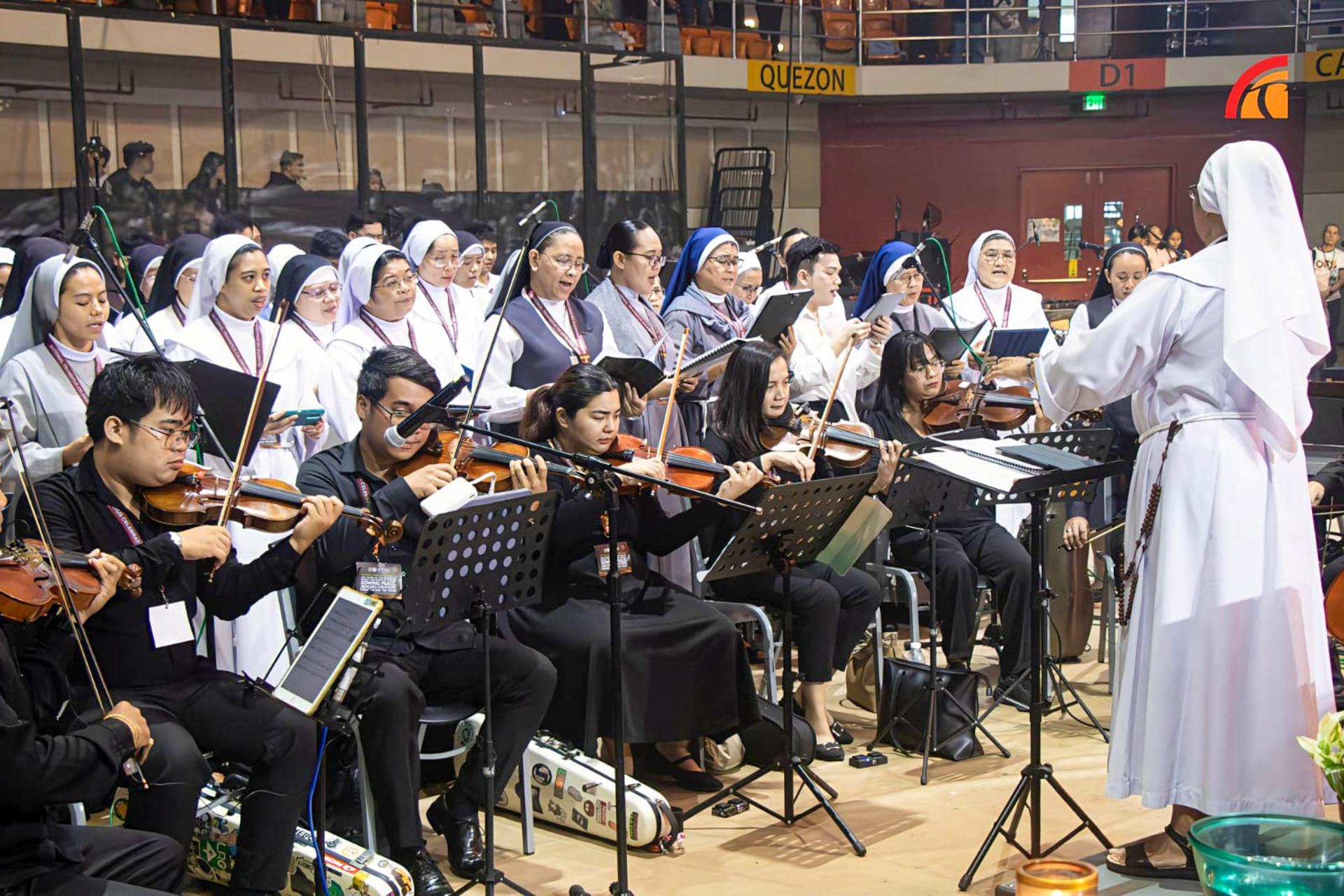
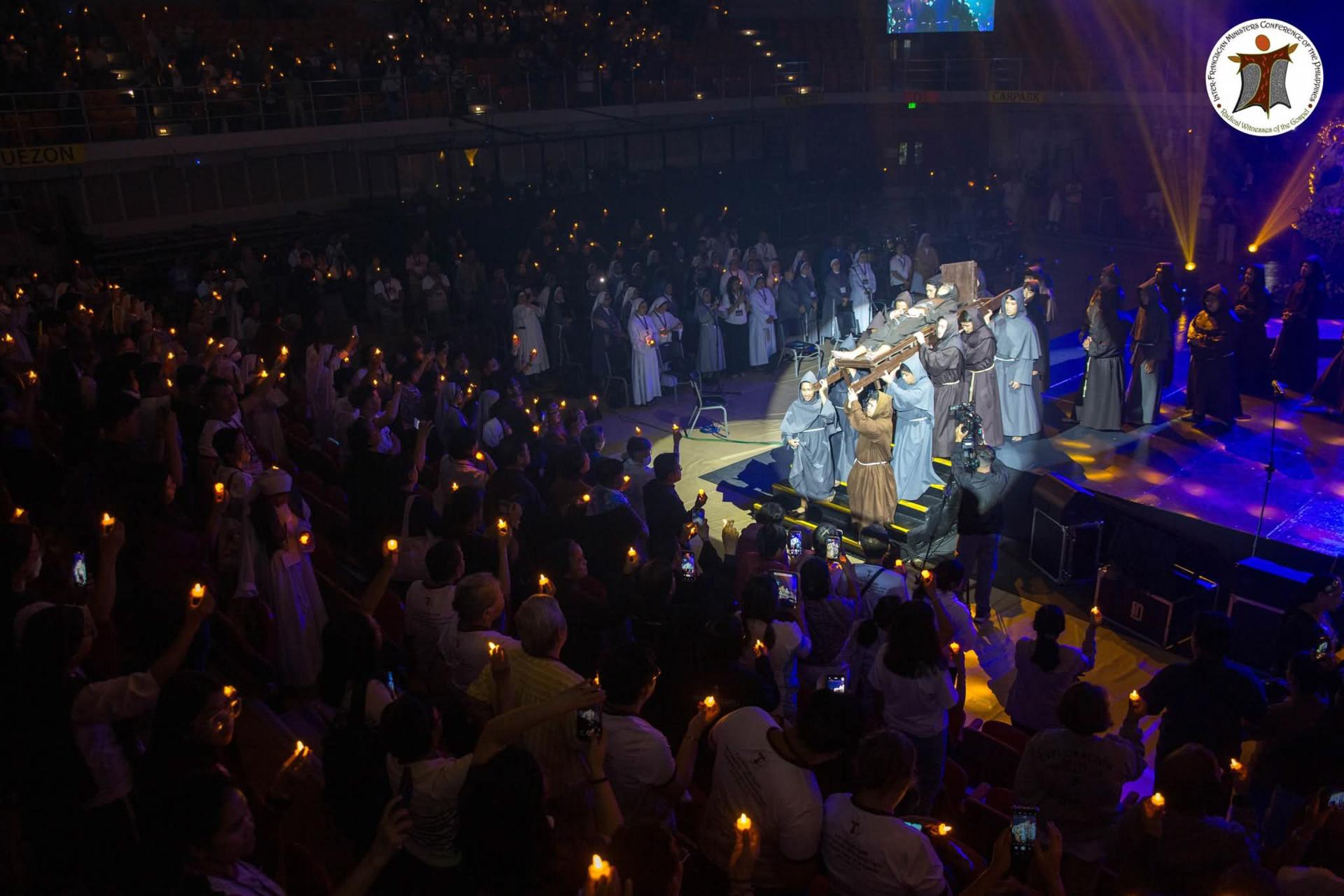
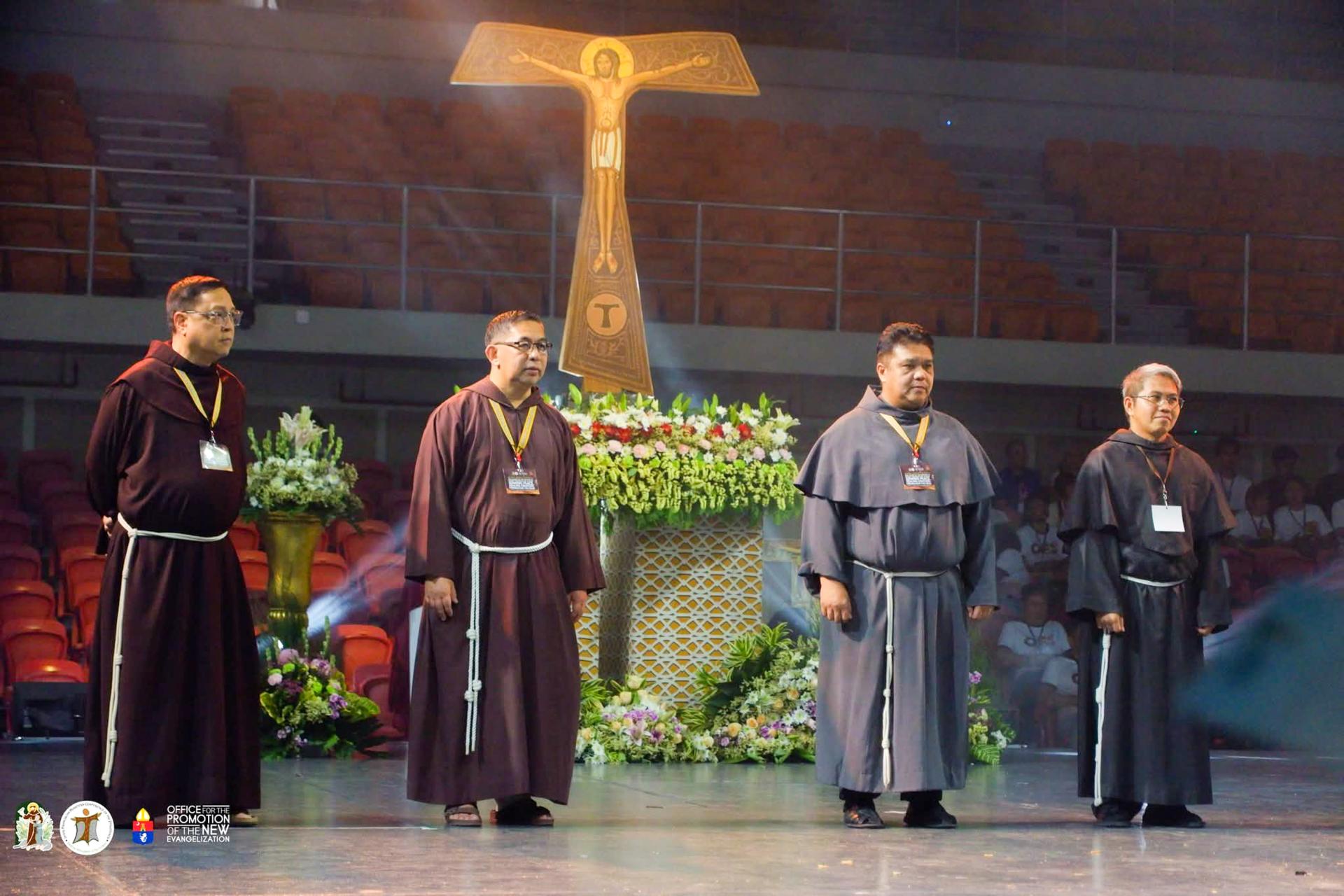
08 October 2026Around 3,700 registered participants and volunteers from across the Philippines gathered at the University of Santo Tomas (UST) Quadricentennial Pavilion on Oct. 3 for the National Transitus Celebration, commemorating the 800th anniversary of the death of St. Francis of Assisi.
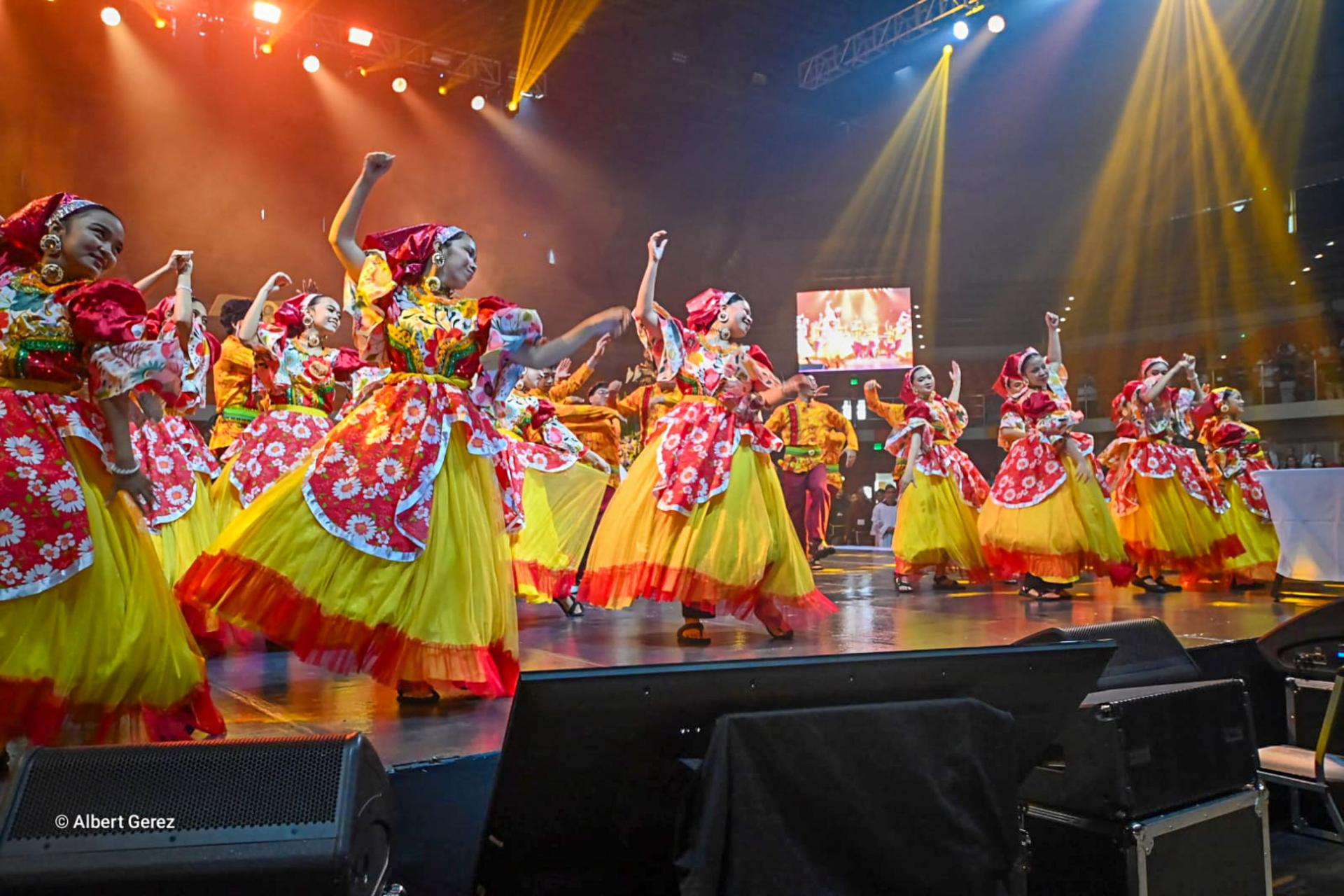
The daylong gathering brought together members of the Franciscan Family, bishops, priests, consecrated men and women, young people, lay faithful and friends of the Franciscan tradition under the theme, “800 Years of the Easter of Saint Francis of Assisi: Sowing Peace, Healing Creation, and Embracing the Poor.”
The celebration was organized by the Inter-Franciscan Ministers Conference of the Philippines (IFMCP) in partnership with RCAM-MAGPAS, through the Office for the Promotion of the New Evangelization (OPNE), with the University of Santo Tomas hosting the national gathering.
The event formed part of the worldwide observance of the eighth centenary of the death, or Transitus, of St. Francis in 1226, inviting the Church not only to remember the Poor Man of Assisi but also to rediscover the continuing relevance of his Gospel witness.
Welcoming participants to UST, Fr. Filemon I. Dela Cruz Jr., O.P., Prior Provincial of the Dominican Province of the Philippines, expressed the joy of the Dominican community in hosting the national celebration.
His welcome underscored the longstanding fraternity between the Dominican and Franciscan families, two religious traditions that emerged in the Church during the same historical period and have shared in the mission of proclaiming the Gospel for more than eight centuries.
The presence of thousands of Franciscans and friends of St. Francis at the Dominican-run university gave visible expression to that fraternity and to the wider ecclesial character of the celebration.
Fr. Gerard Francisco Timoner III, O.P., Master of the Order of Preachers, had also expressed his joy upon learning that UST would host the national Franciscan gathering.
The Eucharistic celebration was presided over by Cardinal Jose F. Advincula, Archbishop of Manila, who reflected on the evangelical poverty embodied by St. Francis.
Recalling how Francis left behind privilege and possessions in order to follow Christ and live in solidarity with the poor, the Cardinal said that true wealth is found in “a heart free enough to give.”
His reflection invited the faithful to understand poverty not simply as the absence of material possessions, but as an interior freedom that enables Christians to become more available to God, to others, and especially to those on the margins.
The Cardinal’s message brought the witness of the 13th-century saint into the realities of the present, challenging Christians to ask not only what they possess, but what may possess their hearts.
In his keynote address, Bishop Jose Elmer Mangalinao of Bayombong, a member of the Secular Franciscan Order, invited participants to understand the Transitus not simply as the historical death of St. Francis but as a pattern for Christian life.
“The Christian life is a continual passage,” the bishop said. He described Francis’ journey as one of continuing conversion — from self to God, from possession to freedom, from division to fraternity, and ultimately from death to eternal life. “Every act of forgiveness when you want to hold a grudge is a transitus,” Bishop Mangalinao said, reminding participants that the passage celebrated in Francis must also take place in the daily choices of every Christian.
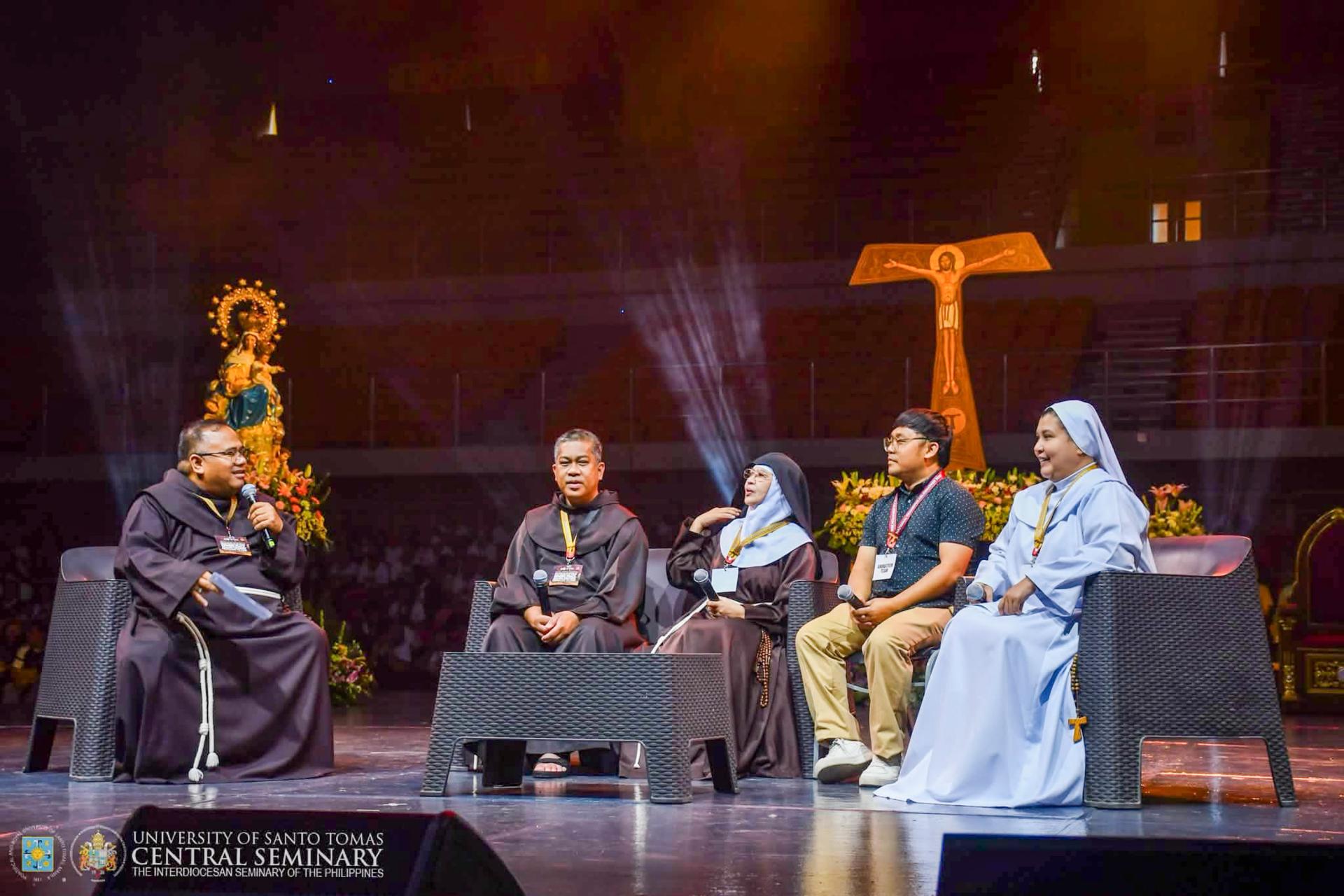
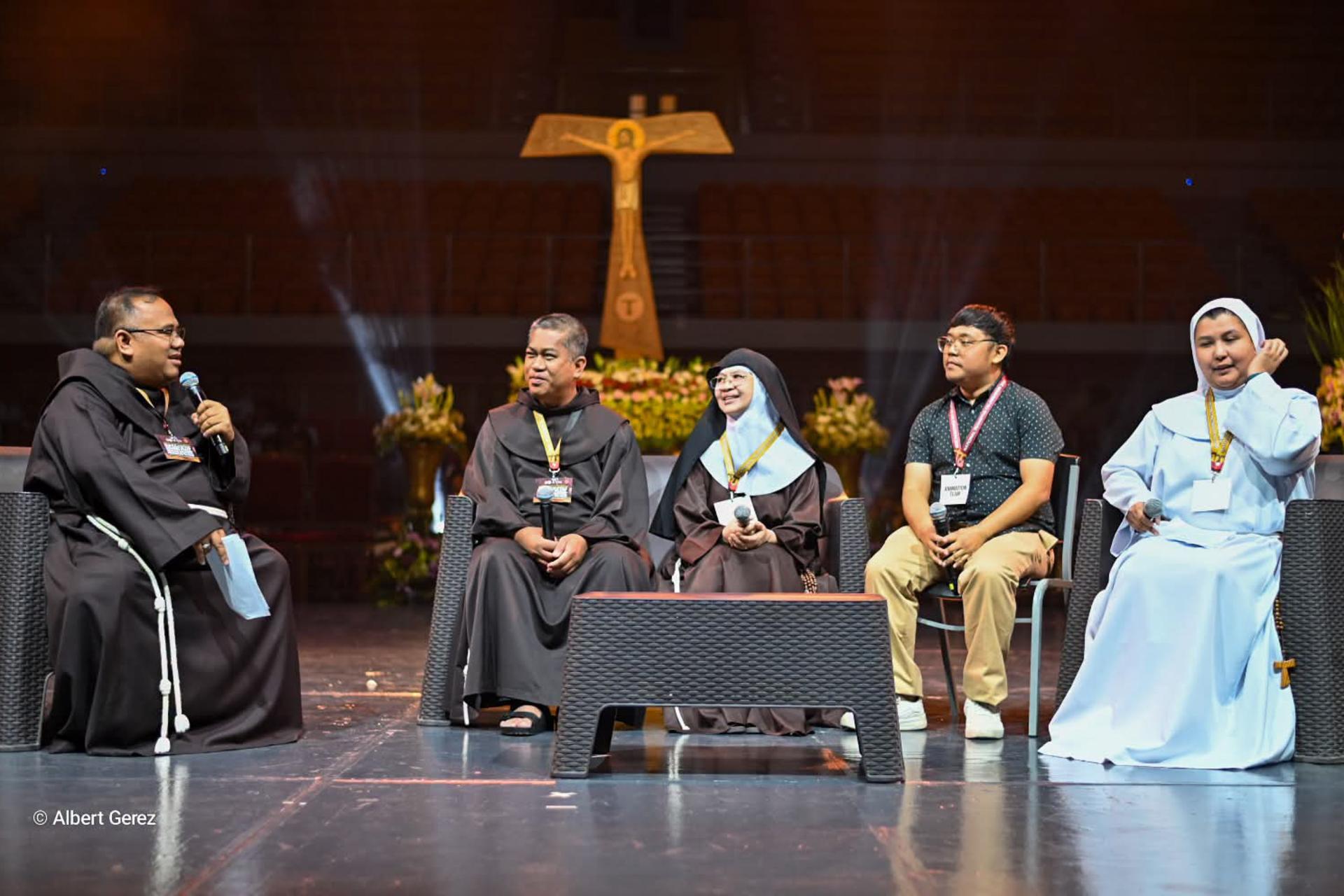
Another highlight of the gathering was “Echoes of Assisi,” a dialogue exploring how the life and spirituality of St. Francis continue to speak to the Church and society today.
Representatives of different expressions of the Franciscan family reflected on the relevance of Franciscan spirituality amid poverty and exclusion, conflict and social division, ecological destruction, and the search of young people for meaning and authentic community.
The gathering also provided opportunities for participants to reflect and share how the Franciscan call to peace, fraternity, care for creation and solidarity with the poor could be translated into concrete action in their own communities.
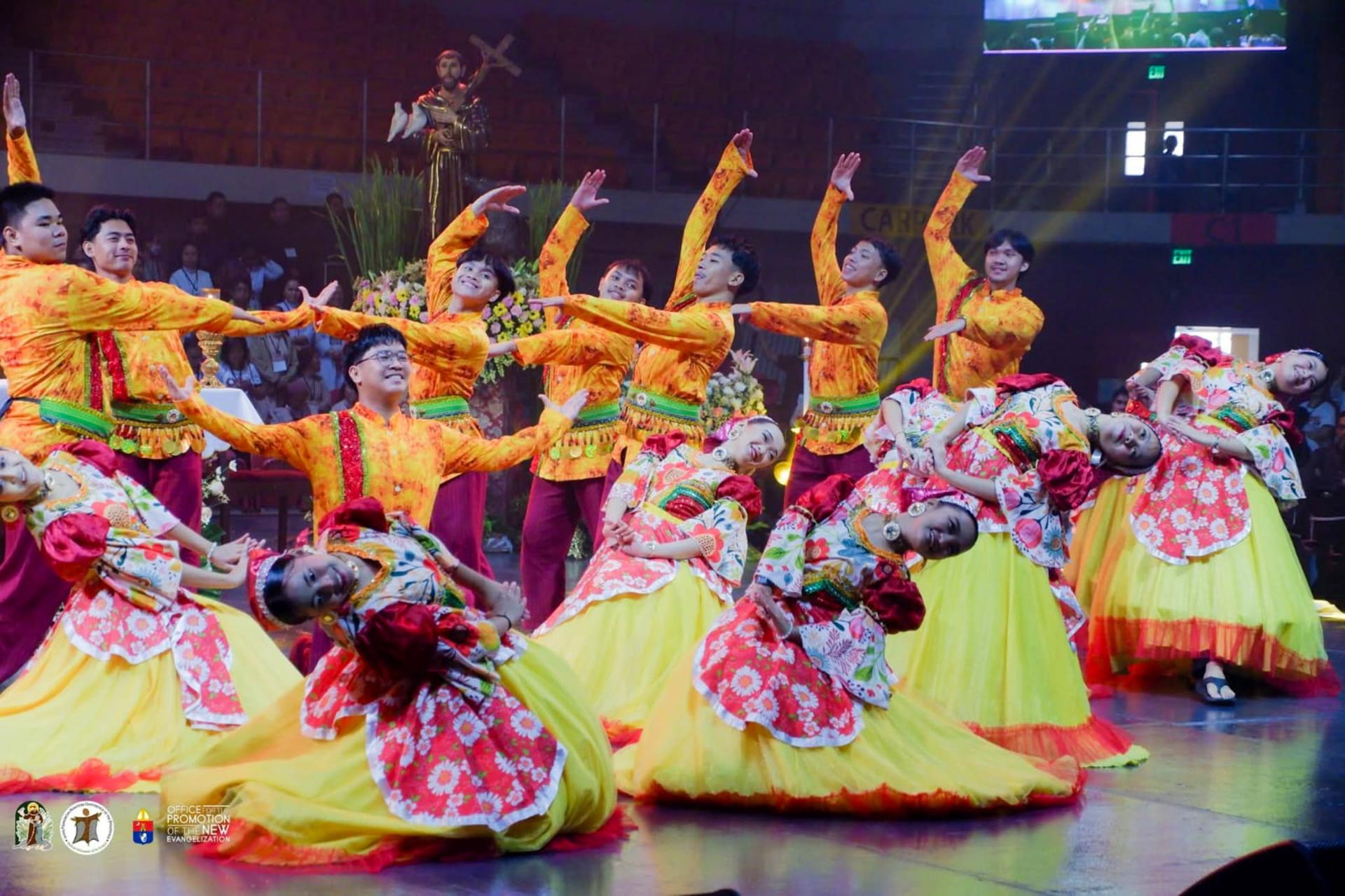
Young people took an active role throughout the celebration, including through animation led by the Inter-Franciscan Commission on Youth, highlighting the transmission of the Franciscan charism to a new generation.
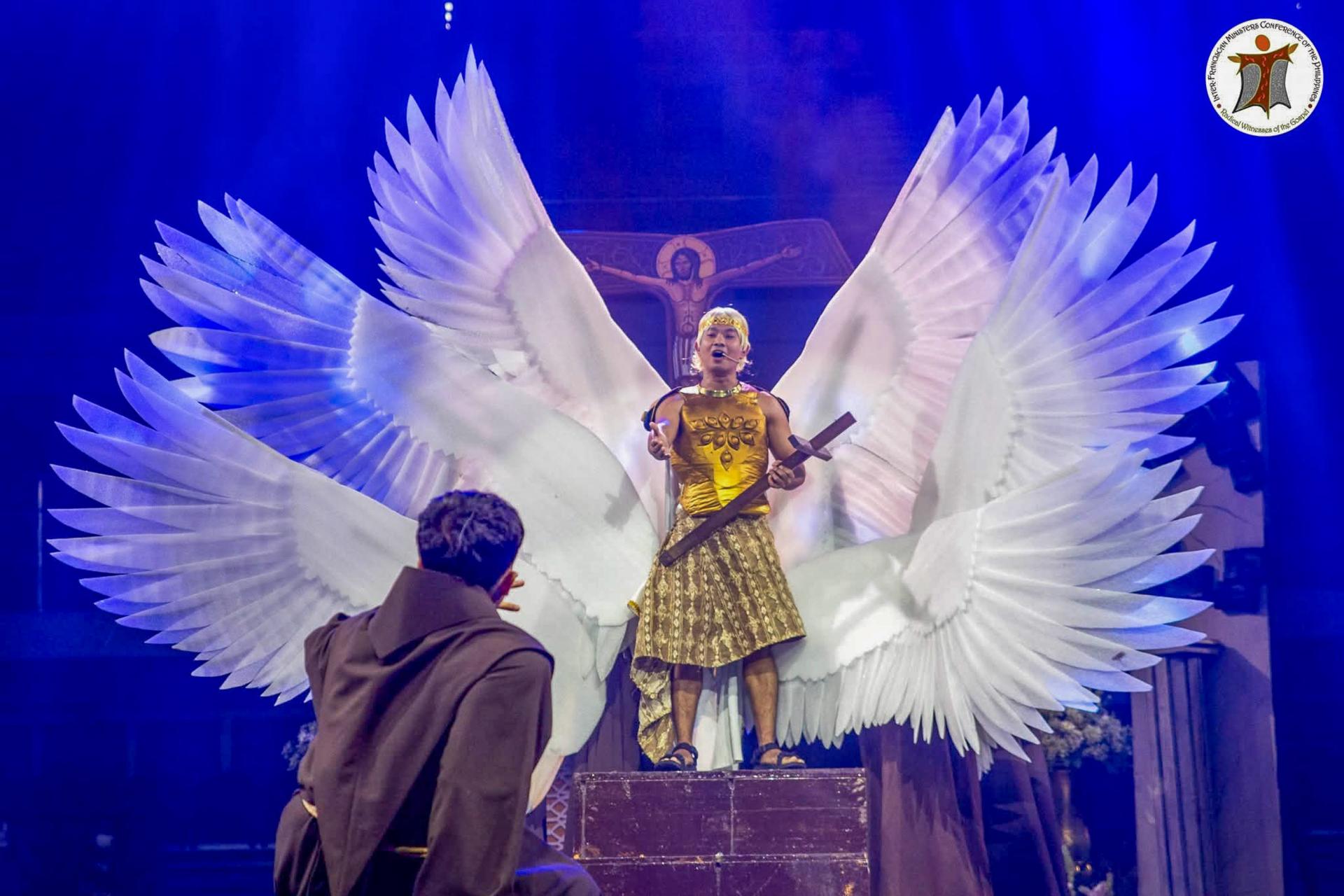
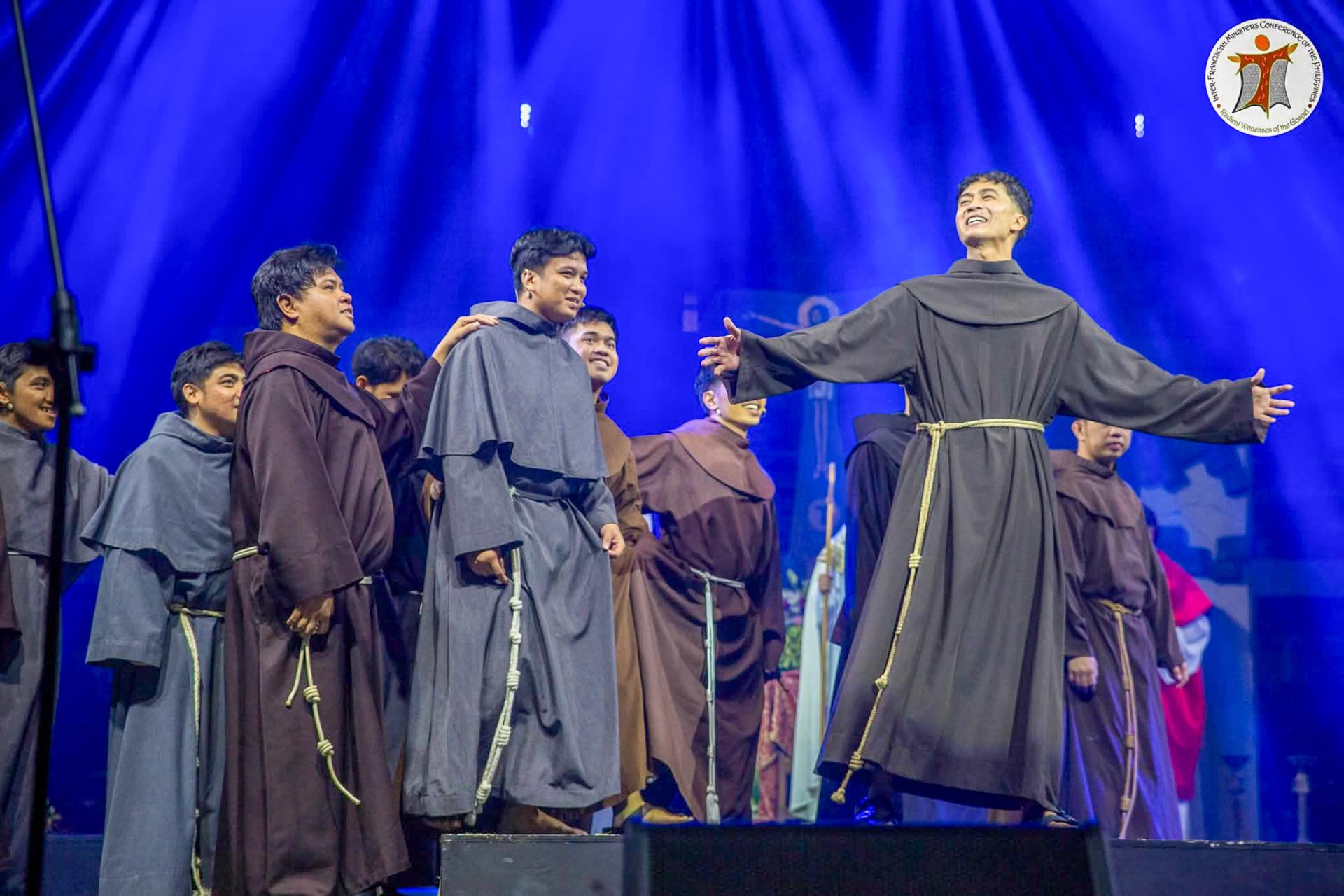
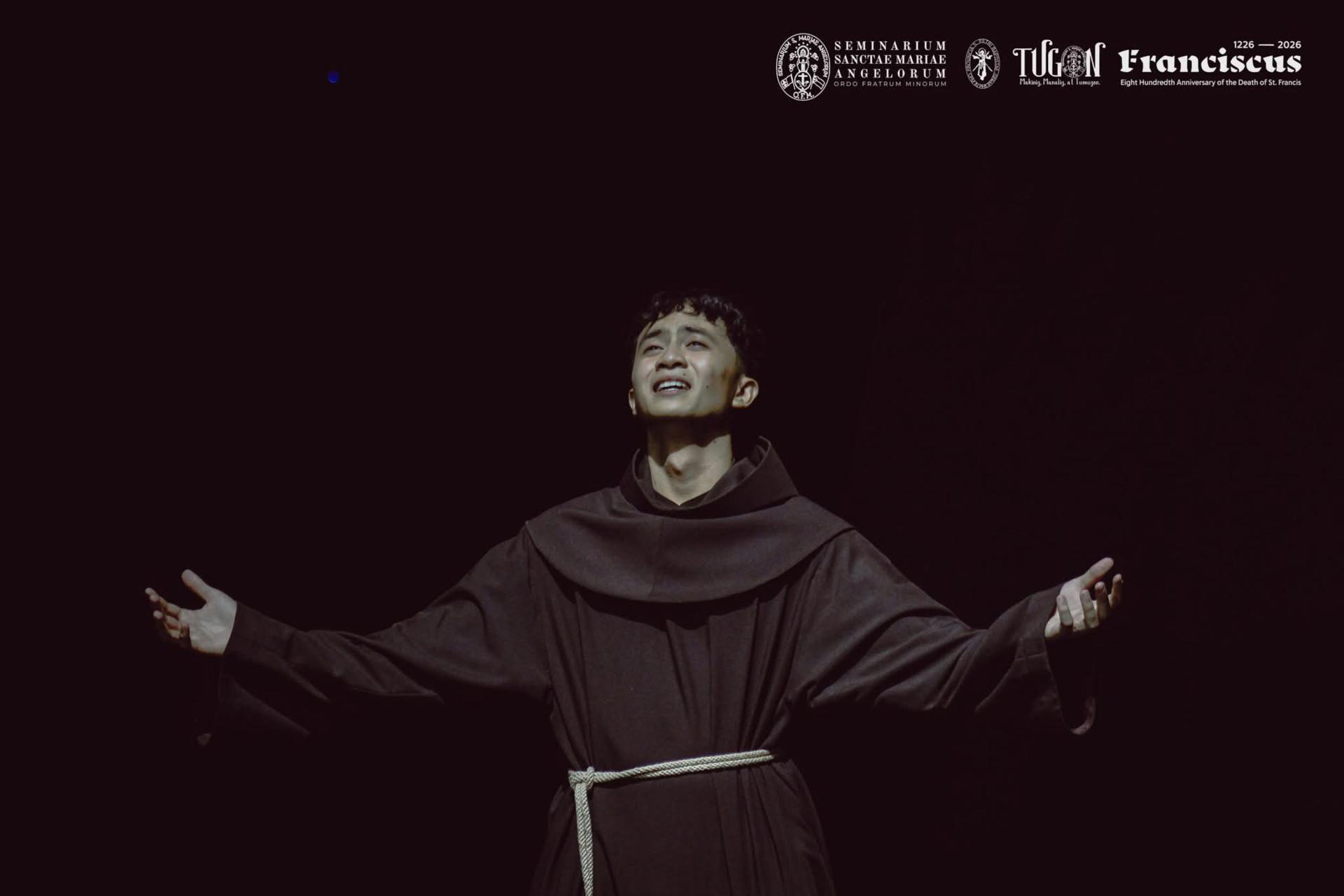
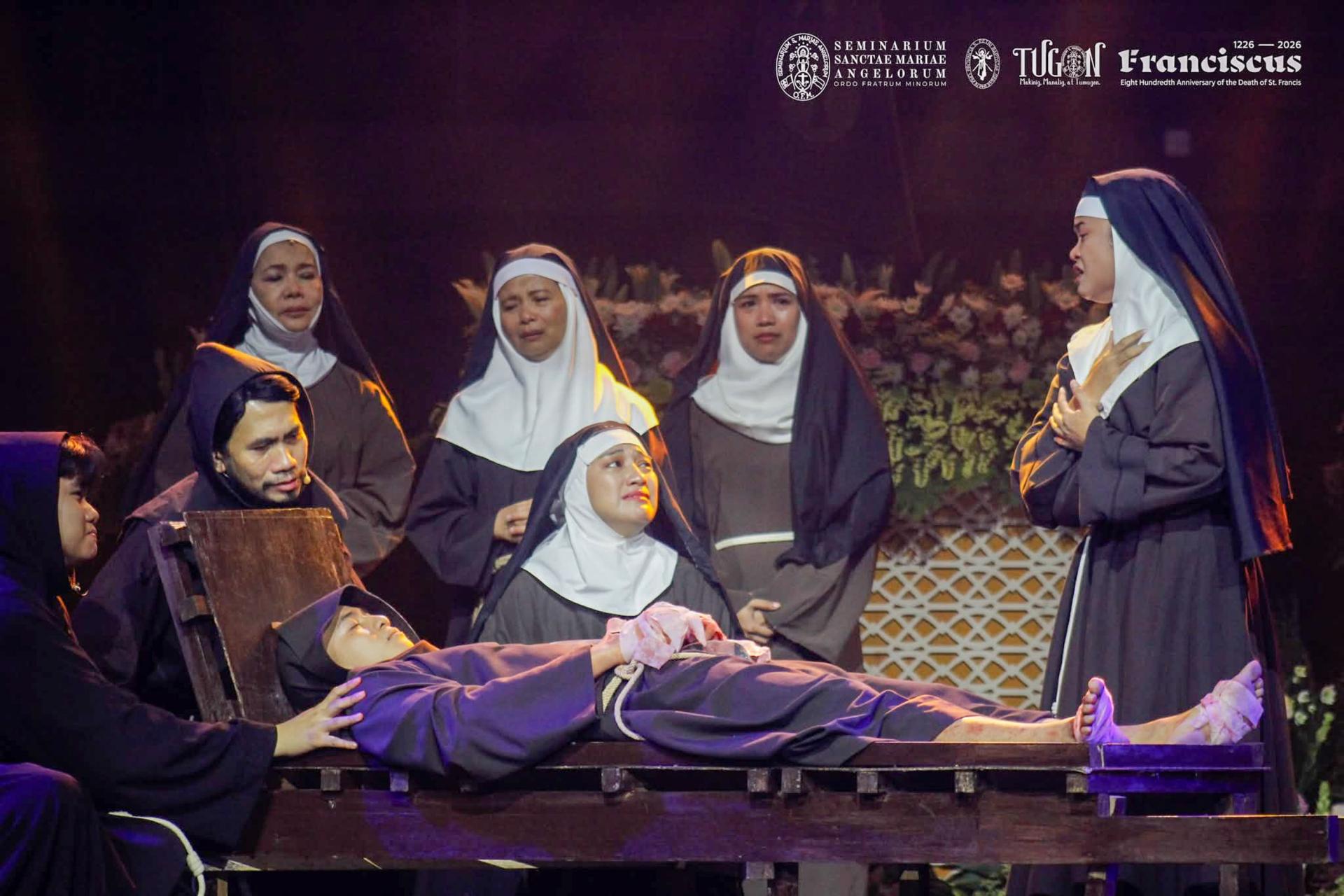
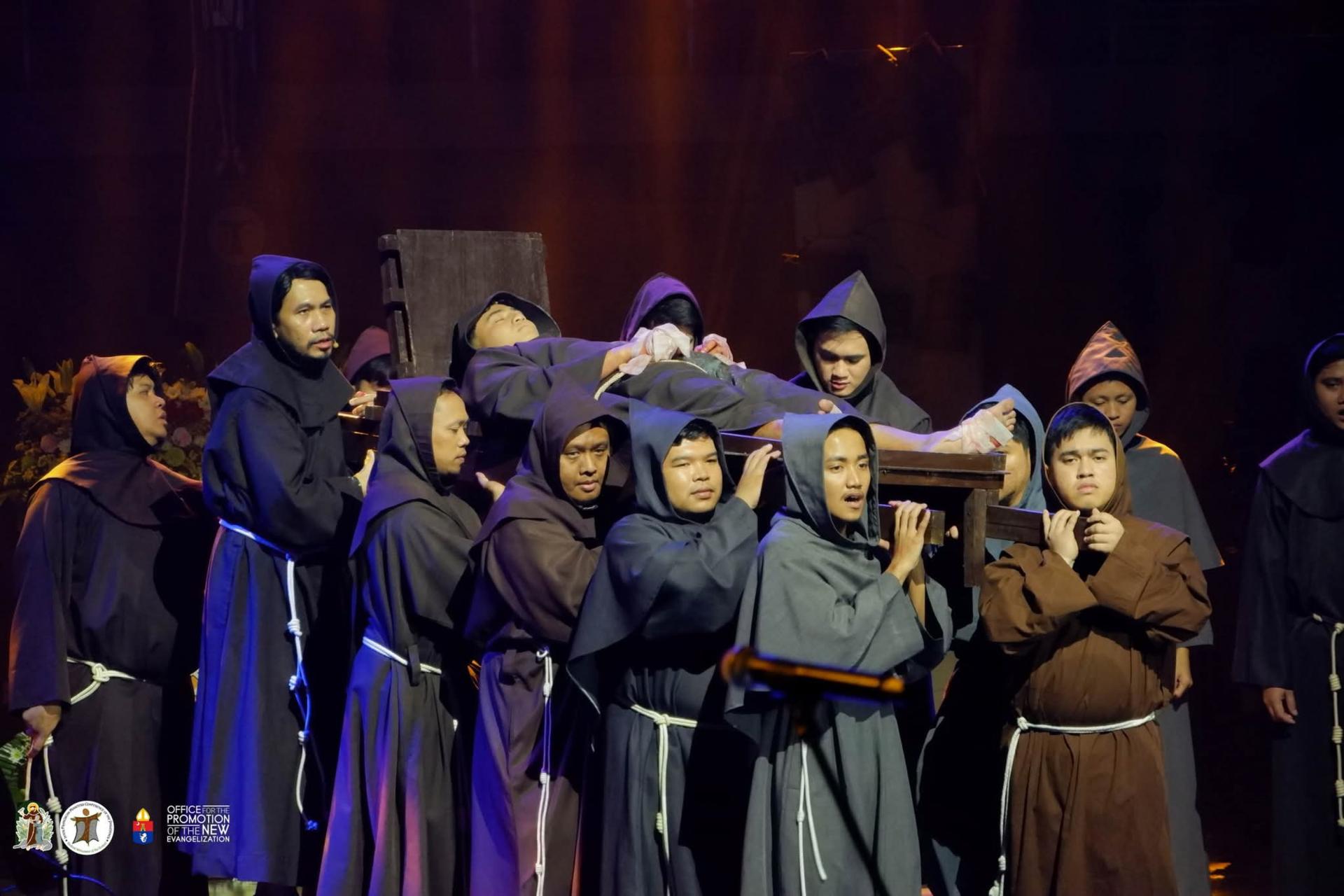
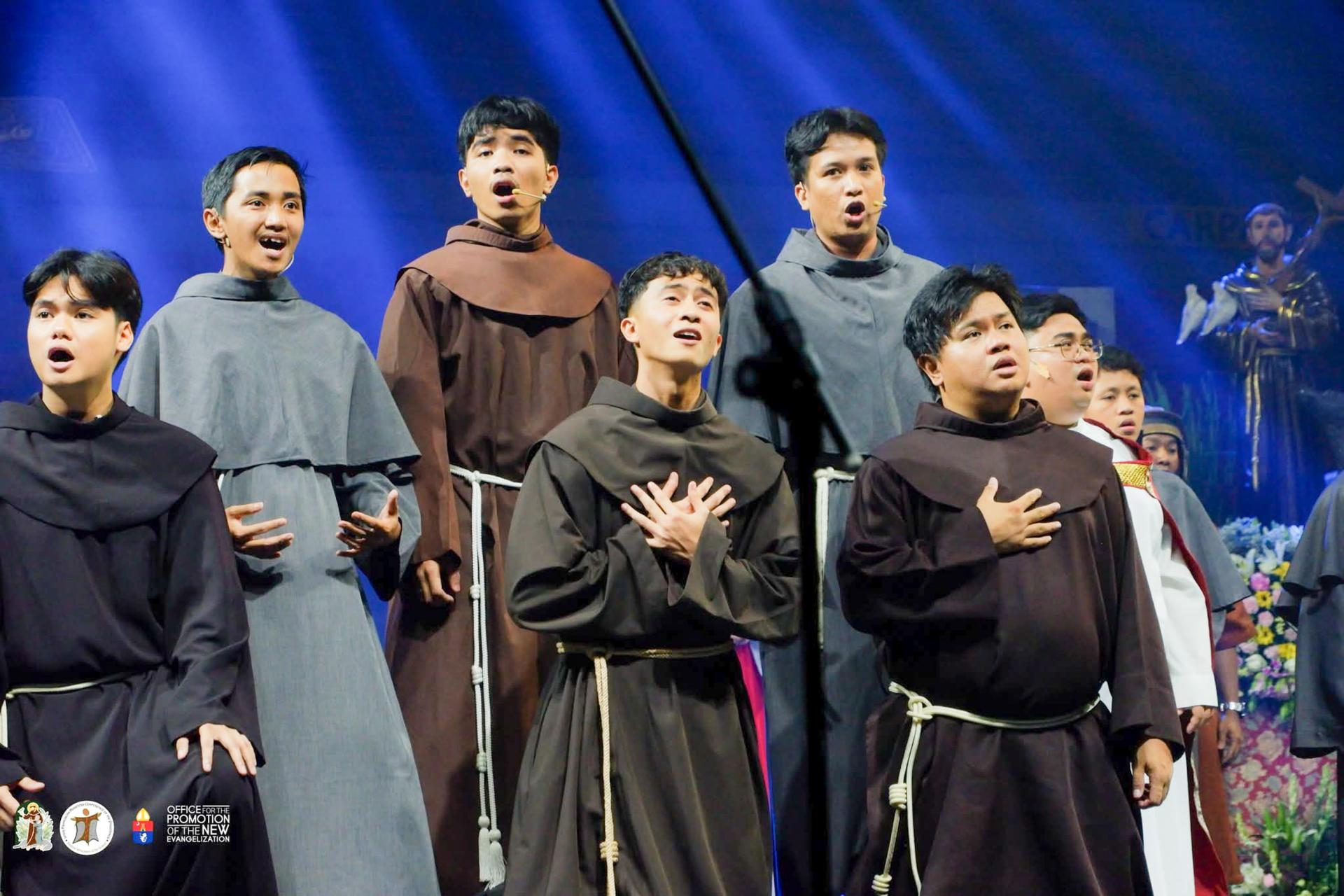
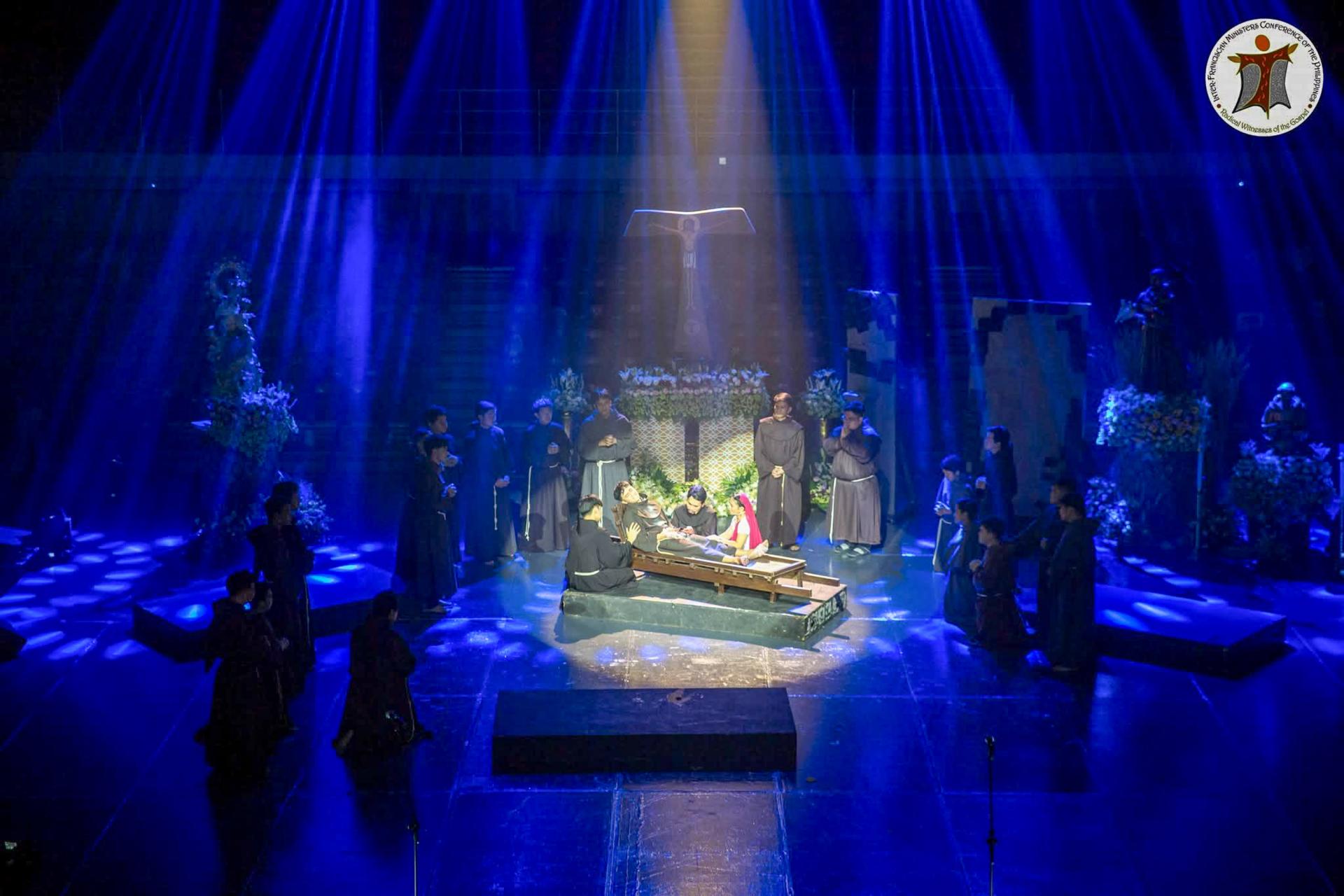
The afternoon featured “Poverello: Ang Dukha ng Assisi,” a theatrical presentation depicting the life, conversion and Gospel journey of St. Francis. The production took on particular significance following the death of its director, Jonathan Oraño, while preparations for the play were still underway. His passing added a poignant dimension to a gathering centered on the meaning of Transitus — the passage from earthly life to eternal life. The production became both a retelling of Francis’ journey and a remembrance of an artist who had offered his talents in bringing the saint’s story to the stage.
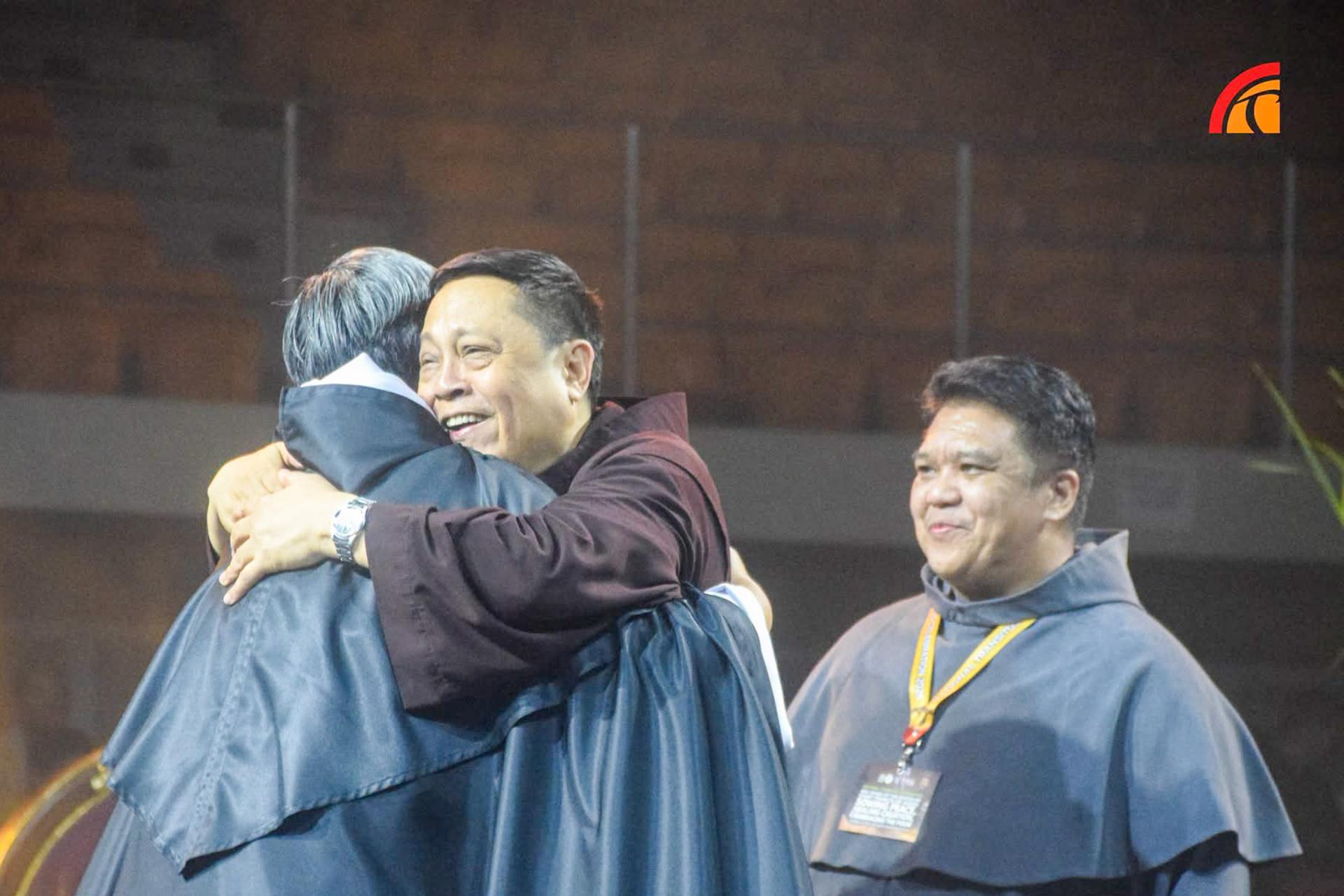
The gathering concluded with a liturgy led by Br. Lino Gregorio V. Redoblado, OFM, Chair of the Inter-Franciscan Ministers Conference of the Philippines and Minister Provincial of the Franciscan Province of San Pedro Bautista.
The 2026 commemoration concludes the series of Franciscan Centenaries recalling significant events in the final years of St. Francis’ life: the Rule and Christmas at Greccio, the Stigmata, the Canticle of the Creatures, and his Transitus in 1226.
The presence of some 3,700 registered participants and volunteers reflected the continuing influence of the spirituality of St. Francis in the Philippine Church eight centuries after his death.
The National Transitus was made possible through the collaboration of the different branches of the Franciscan family, RCAM-MAGPAS through the Office for the Promotion of the New Evangelization (OPNE), the University of Santo Tomas, and various Church, media and mission partners.
Against the backdrop of conflict, poverty, social division and ecological degradation, the celebration called Christians to move beyond simply remembering St. Francis and to translate his Gospel witness into concrete action.
The National Transitus concluded with the challenge expressed in its theme: to sow peace, heal creation and embrace the poor.
Eight hundred years after the death of the Poor Man of Assisi, the gathering in Manila became not only an act of remembrance, but a renewed call to live the Gospel of fraternity, peace and care for creation in the realities of the present day.
By Franciscan Communications Philippines